
Zermatt Mountain Guides
When to hire a mountain guide in Zermatt and when you don't need one — for high hikes, glacier crossings, off-piste skiing, freeride, Matterhorn attempts and family adventures, with how to book responsibly.

Photo: Wolfgang Hasselmann / Unsplash
- ✓Zermatt has one of the oldest and deepest guiding traditions in the Alps — the village built its name on the men who roped clients up the Horu.
- ✓A qualified mountain guide is essential for glacier travel, off-piste and ski touring, and any serious summit, where hidden crevasses and avalanche risk are real.
- ✓You do not need a guide for the marked, waymarked hiking trails or the secured pistes — but you may still want one to go further, safely.
- ✓Always book a properly qualified guide (the IFMGA / Swiss mountain-guide standard). Verify credentials and current availability before you commit.
The village that guiding built
Zermatt's whole story is a guiding story. Before it was a ski resort or a honeymoon postcard, it was a base camp — a cluster of Walliser chalets where Edward Whymper and the alpinists of the golden age came to find men who knew the rock and the ice. The guide Michel Croz died on the Matterhorn's first descent in 1865; the guides who survived carried the trade forward, and the village has kept a mountain-guide culture at its heart ever since. Walk the old Hinterdorf or read the mountaineers' cemetery and you are reading a guild as much as a graveyard.
That heritage is not nostalgia. It is the reason that, when you stand at the foot of a glacier or the edge of a piste in Zermatt and wonder whether you can go further, there is a deep bench of professionals who can take you there safely. This page is about knowing when to call on them — because the honest truth is that for some of Zermatt you need a guide, for some of it you simply want one, and for plenty of it you need no one but yourself.
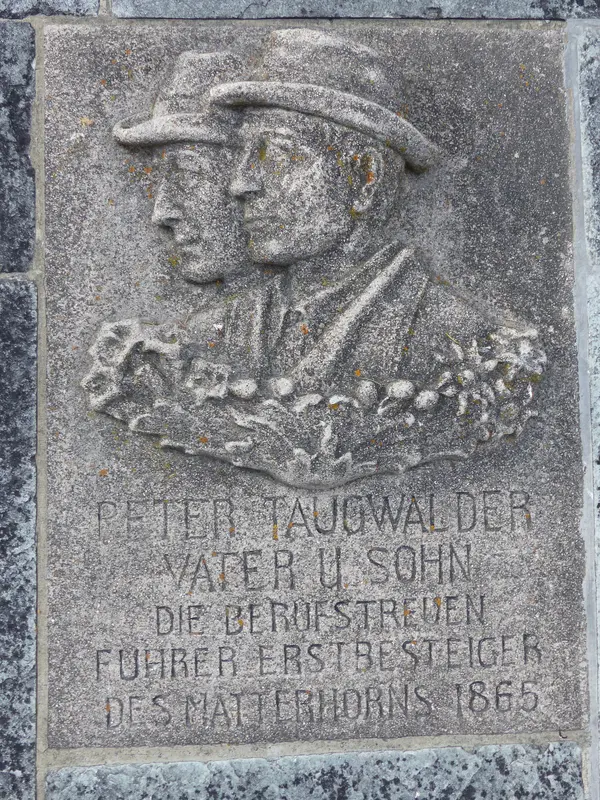

At a glance — guide or no guide?
A quick orientation before the detail. Treat it as evergreen guidance, and let a qualified guide make the final judgement on conditions and your ability on the day.
- Marked hiking trails (Five Lakes, Gornergrat ridge, village walks): no guide needed — waymarked and within most fit walkers' reach.
- Secured, open ski pistes: no guide needed — controlled and patrolled within the resort's safety system.
- High or remote off-trail hikes, scrambles and via ferrata: a guide is wise, especially in early or late season with lingering snow.
- Glacier travel of any kind: a guide is essential — crevasses hide under the snow and roped technique is non-negotiable.
- Off-piste skiing, freeride and ski touring: a guide is the standard, safe choice in this high, crevassed, avalanche-prone terrain.
- Matterhorn and other 4,000 m summits: a qualified guide, plus the fitness and experience to be accepted by one.
- Always book to the IFMGA / Swiss mountain-guide standard, verify credentials, and confirm current availability and price.
When you genuinely need a guide
There is terrain in Zermatt where going without a qualified guide is not adventurous but reckless, and it is worth being plain about where that line falls. The first and clearest case is glaciers. The upper mountain — the ground around Glacier Paradise, the high ski sectors, the approaches to the big summits — is permanent ice, and crevasses lie hidden beneath an innocent-looking snow surface. Crossing it safely means roped travel, crevasse-rescue skill and the experience to read where the danger lies. None of that can be improvised on a holiday, and a guide carries all of it.
The second case is off-piste skiing, freeride and ski touring. The moment you leave the secured pistes you are in avalanche terrain at altitude, and the standard, sane advice is to go with a guide who reads the day's snowpack, picks the aspect and altitude, manages the safety kit and knows where the crevasses sit beneath the powder. The third is any serious summit, the Matterhorn above all: these demand both a guide and the prior fitness and experience to be accepted by one. In all three, the guide is not a luxury upgrade — they are the mechanism that turns a gamble into a managed risk.
 Advanced & off-piste ZermattWhat the off-piste terrain actually involves — long, steep, glaciated and serious — and the discipline it demands.
 Avalanche & off-piste safetyHow to read the avalanche bulletin and why a qualified guide is non-negotiable beyond the secured pistes.
 Matterhorn ascent guideAn honest reality check on climbing the Horu — the fitness, season and guide requirement it really takes.
When you don't need one — and when you might still want one
Plenty of Zermatt asks nothing of you but a ticket and good boots. The hundreds of kilometres of marked, waymarked hiking trails — the Five Lakes loop, the Gornergrat ridge, the Matterhorn Glacier Trail, the village walks — are designed for independent walkers and need no guide, only sensible preparation and a check of the weather and lift times. The same is true of the open, secured ski pistes, which the resort controls and patrols. For the classic Zermatt day, you are your own guide, and that freedom is part of the pleasure.
But there is a middle ground worth naming, where you don't strictly need a guide yet may be glad of one. A guide can open up high off-trail traverses and scrambles you would not safely tackle alone; can run a beginner up their first glacier or via ferrata; can find the quiet powder for an intermediate skier nervous about going off-piste; and can take the navigation, the weather judgement and the route-finding off your shoulders so you can simply look at the mountain. Hiring a guide for a day you could technically do yourself is not weakness — it is buying experience, safety margin and local knowledge no guidebook holds.
What a guide does for different kinds of day
Guiding in Zermatt is not one product but many, and matching the guide to the day is the trick. Here is how the common cases break down.
- Hiking & scrambling guides: take you onto high, unmarked or technical ground — ridges, via ferrata, the approaches below the big peaks — with route-finding and weather judgement built in.
- Glacier & mountaineering guides: lead roped glacier crossings, crevasse-safe travel and alpine summits, carrying and using the technical kit you don't own.
- Off-piste & freeride ski guides: read the avalanche bulletin and the snowpack, pick the aspect, and find safe powder in the high, crevassed terrain off the pistes.
- Ski-touring guides: plan and lead skinning routes and descents in the backcountry, managing both avalanche and glacier hazard.
- Matterhorn & summit guides: assess your fitness and experience, run preparation climbs, and lead the ascent — usually one guide to one client on the Horu.
- Family & first-timer guides: introduce children and nervous beginners to glaciers, easy summits or their first off-piste turns in a controlled, confidence-building way.


What a guided day actually feels like
If you've never hired a guide, the unknown can put you off, so it helps to picture the day. It usually begins the evening or morning before, with a conversation: the guide checks the weather and conditions, sizes up the objective against your fitness and experience, and tells you honestly what is and isn't on. Then comes the kit check — they'll confirm what you're bringing and lend or fit the technical gear you don't own, from a harness and crampons to a transceiver on a ski day. None of this is a test you can fail; it's the groundwork that makes the day safe, and a good guide makes it feel like part of the adventure rather than a hurdle.
On the mountain, the guide carries the burden of judgement so you can carry only yourself. They navigate, they read the snow or the rock, they set the pace and the rest stops, they manage the rope on glacier or summit ground, and they decide when to turn around. Your job is to listen, to be honest about how you're feeling, and to enjoy terrain you could not safely reach alone. The reward is not only the safety but the company: Zermatt's guides know the mountains intimately, and a day with one is a day with a storyteller as much as a professional. Many visitors find the guided day the highlight of the trip — not despite handing over control, but because of it.

How to book a guide responsibly
The single most important thing is to book a properly qualified guide — one holding the international IFMGA standard, which in Switzerland means a fully certified Swiss mountain guide. This is the difference between a professional who has trained for years in glacier rescue, avalanche assessment and high-alpine route-finding, and someone who merely knows the area. Reputable Zermatt guiding companies and the local guides' office employ certified guides; if a price or a credential looks too good to be true, walk away. Verify qualifications, insurance and current availability directly before you commit.
Book ahead, especially for summer summits and powder weeks, when the best guides fill early. Be honest about your fitness and experience when you enquire — a good guide would rather right-size the objective than push an unsafe one, and for the Matterhorn in particular they will set firm criteria and may ask you to do preparation climbs first. Discuss the plan, the turnaround rules, what kit is provided and what you must bring, and the weather policy. And go in trusting the guide's judgement: if they call the day off or turn you around, that decision is precisely what you are paying for.
- Check the credential: insist on a certified Swiss / IFMGA mountain guide. Verify it.
- Book early for summer summits, glacier days and powder weeks — top guides go first.
- Be honest about fitness and experience so the guide can match the objective to you.
- Agree the plan, kit, turnaround time and weather policy before the day.
- Trust the call: a guide who turns you around is doing exactly the job you hired them for.
Matterhorn Ascent: A Reality Check
An honest, responsible guide to climbing the Matterhorn — the fitness, experience, guide requirement, season and cost it really takes — and the closer-to-earth ways most visitors meet the Horu instead.
Read guideAdvanced & off-piste Zermatt
Zermatt's advanced terrain and off-piste reality — why this is glaciated high-mountain ground, when a guide is non-negotiable, avalanche awareness and the discipline the altitude demands.
Read guide
Zermatt Hiking Safety
What to know before you walk in Zermatt's high alpine terrain — weather, altitude, snowfields, footwear, trail markings, the last lift down, glacier caution and when a marked trail still needs a guide.
Read guideMore in Hiking & Summer
6
Best Family Hikes in Zermatt
Child-friendly hikes in Zermatt chosen by lift access, gentle effort, picnic and lake stops, playground rewards and an easy weather backup — so the whole family enjoys the mountain.
Read guide
Best Gornergrat Hikes
Scenic walking off the Gornergrat cog railway, where every intermediate station is an escape. The ridge descent to Riffelsee and Rotenboden, the longer Riffelberg and Riffelalp routes, and how the train-stop flexibility lets you walk as much or as little as the day allows.
Read guide
Best Hikes in Zermatt
A comparison of Zermatt's finest walks read the way the valley works — by altitude, lift access and weather. The Five Lakes loop, the Matterhorn Glacier Trail, the Gornergrat ridge and the gentler valley paths, ranked by difficulty, view and who they suit.
Read guide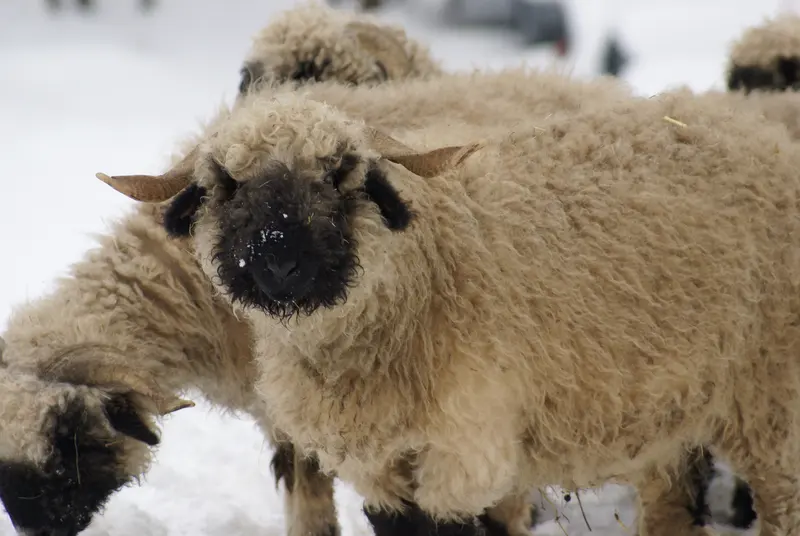
Blacknose Sheep in Zermatt
Where and when to meet the Valais Blacknose — the curly-horned, black-faced sheep of the Matterhorn valley — and how to watch them with respect.
Read guide
Charles Kuonen Suspension Bridge
How to reach and walk the Charles Kuonen suspension bridge above Randa near Zermatt — rail access, the climb from the valley, the bridge itself, head-for-heights notes and weather sense.
Read guide
Easy Walks in Zermatt
Gentle, low-effort walks in and above Zermatt — the village and riverside, the Furi forest, Riffelalp's level paths and the Sunnegga-area strolls — for non-hikers, families and mixed-ability groups.
Read guide