
Best Gornergrat Hikes
Scenic walking off the Gornergrat cog railway, where every intermediate station is an escape. The ridge descent to Riffelsee and Rotenboden, the longer Riffelberg and Riffelalp routes, and how the train-stop flexibility lets you walk as much or as little as the day allows.

Photo: Radek Kozak / Unsplash
- ✓The Gornergrat Bahn climbs to an open-air station at 3,089 m, level with 29 four-thousanders and the Gorner glacier.
- ✓Intermediate stations — Rotenboden, Riffelberg, Riffelalp — let you walk one section and ride the rest, in either direction.
- ✓The short descent from the summit to Rotenboden passes the Riffelsee, the Gornergrat side's own Matterhorn reflection lake.
- ✓Mostly easy to moderate with the grandest panorama in the valley — but high, exposed ground; mind the altitude and the weather.
Walking the highest ridge — with a train to bail you out
The Gornergrat Bahn — Switzerland's first fully-electric rack railway, running since 1898 — lifts you from the village to an open-air station at 3,089 m, the highest of its kind in Europe, looking straight across the Gorner glacier to the Monte Rosa massif and the Matterhorn. From the top a family of walks fans down the ridge, and what makes them so beloved is the railway itself: it has intermediate stations at Rotenboden, Riffelberg and Riffelalp, so you can walk one section and catch the train for the rest, in either direction, adjusting on the fly to your legs and the weather.
That flexibility is the secret of the Gornergrat hikes. It means the biggest panorama in the valley is available for the least commitment — start down the ridge, and if cloud rolls in or tired legs protest, the next station is never far. It makes the area ideal for families, for older walkers, for anyone wanting the four-thousander horizon without a hard climb, and for uncertain-weather days when you want an easy escape. This guide ranks the best of the walks off the cog railway, from the short reflection-lake descent to the longer ridge routes.
At a glance
The essentials for walking off the Gornergrat line. Heights and the station order are evergreen; the day's cog-railway timetable, the snow line and trail conditions change with the season, so confirm before you set out.
- Top station: Gornergrat, 3,089 m — the open-air summit and the grandest panorama.
- Stations down the ridge: Rotenboden, then Riffelberg, then Riffelalp, then the village.
- Signature short walk: Gornergrat down to Rotenboden via the Riffelsee reflection lake.
- Longer walks: Rotenboden or Riffelberg down to Riffelalp, with the glacier always in view.
- Flexibility: catch the train at any station — walk as much or as little as you like.
- Difficulty: easy to moderate on a good surface, but high and exposed up top.
- Bring: boots or good shoes, layers, sun protection, water — and a checked weather forecast.

1. Gornergrat to Rotenboden via the Riffelsee — the signature
The classic and most-loved Gornergrat walk is the short descent from the summit station down to Rotenboden, and the reason is the Riffelsee. A few minutes below the top, this small dark pool sits in exactly the right place for the Matterhorn to fall into the water — the Gornergrat side's own reflection lake, the western twin of Stellisee. On a still, clear morning the peak doubles in the surface, and unlike Stellisee you can reach it without leaving the ridge, just by stepping off the cog and walking down a short way.
It is a brief, easy section — manageable for most people in good shoes on a dry day — and it can be done as a simple out-and-back from Rotenboden, or as the opening of a longer walk down the ridge. As with every reflection in the valley, come early for still air and clear light, and be patient enough to wait out the breeze for a few glassy seconds. This is the walk for the photograph, and for a first taste of the ridge.
2. Down the ridge to Riffelberg — the long panorama
Carry on below Rotenboden and the trail opens into longer, gentler ridge walking down towards Riffelberg, with the Gorner glacier sprawling below and the Monte Rosa massif and the Matterhorn never out of view. This is the section for walkers who want to keep going past the reflection lake and earn the full sweep of the panorama — a steady descent on good paths with the glacier as a constant companion and the four-thousanders ringing the horizon.
Riffelberg is a natural place to pause or finish: there is a station to catch the train, mountain hospitality, and a broad meadow shelf with one of the best mid-mountain views in the valley. From here you can ride back up or down, or press on to Riffelalp. The whole stretch is easy to moderate, which makes it a fine choice for a half-day that wants more than the short Riffelsee loop but nothing alpine or exposed.
3. On to Riffelalp — through the larch to the highest tram
For the fullest descent, continue from Riffelberg down to Riffelalp, where the mountain begins to soften into larch woods and meadow shelves at around 2,200 m. This is the lowest of the Gornergrat stations on the ridge, and the walk down to it trades the bare high ground for greener, gentler country, with the Matterhorn appearing and disappearing between the trees. Riffelalp is famous for its terrace and its little tramway — the highest open-air tram in Europe — and it makes a satisfying, civilised end to a long ridge walk.
Done in full, Gornergrat to Riffelalp is a generous half-day that descends through the whole character of the mountain, from the polar summit to the larch line. But the train-stop flexibility means you need not commit to all of it: walk the section that suits you, ride the rest, and let the cog railway carry the burden of the climb both ways.

Timing, season and what to carry
As everywhere in Zermatt, the morning is the best time on the ridge — clearest light, calmest air for the Riffelsee reflection, and a head start on the crowds that ride the cog railway up later in the day. The hiking season runs roughly June to October; early summer can leave snow on the higher ridge, while late September and October bring golden larch lower down and the clearest, coldest light of the year. The cog railway runs to a seasonal calendar, so confirm it is operating and which stations are open before you plan a walk around it.
Even on the easy sections this is high, exposed ground — the summit sits above 3,000 m, where the sun is fierce, the air thin and the weather quick to change. Carry boots or sturdy shoes, warm and windproof layers, serious sun protection, water and food, and check the weather and lift status the morning you go. The train gives you an easy escape, which makes the Gornergrat walks among the safest in the valley on an uncertain day — but only if you keep an eye on the sky and head for the next station when the weather turns.
- Go early for clear light, still water at Riffelsee and fewer people.
- Season: roughly June–October; snow lingers early up top, larches turn gold late.
- The cog railway runs seasonally — confirm it and the open stations before you go.
- Carry boots, layers, sun protection, water and food; it is high, exposed ground.
- Use the train-stop flexibility to bail out at the nearest station if weather or legs turn.
Fitting the ridge into a hiking trip
The Gornergrat walks pair naturally with the rest of the valley's trails over a few days. Give the Gornergrat side a day for the ridge, the Riffelsee and the train-stop flexibility; give the Sunnegga side a dawn for the Five Lakes and Stellisee; give the Matterhorn side a settled day for the Glacier Trail. Together they cover the three faces of the valley and never repeat a view. Because the cog railway makes the ridge so forgiving, it is also the ideal first hiking day — the one to do while you find your altitude legs and read the weather.
However you walk it, the Gornergrat ridge delivers the rare combination of the biggest mountain horizon in the Alps and a railway that will carry you the moment you have had enough. For couples, families and casual walkers alike, that is what makes it the most accessible of Zermatt's great walks.


Gornergrat to Riffelsee Hike
A high, mostly downhill ridge walk from the Gornergrat summit past Riffelsee's reflection to Riffelberg — station by station, with the Matterhorn in front of you the whole way.
Read guide
Gornergrat Guide
The cog railway, the viewpoints, Riffelsee, the Kulmhotel, the mountain restaurants and the weather strategy for the highest open-air railway station in Europe.
Read guide
Riffelsee Guide
The reflection lake below Gornergrat where the Matterhorn doubles in still water — how to get there, when to go, the short walk and the timing that makes the picture.
Read guideMore in Hiking & Summer
6
Best Family Hikes in Zermatt
Child-friendly hikes in Zermatt chosen by lift access, gentle effort, picnic and lake stops, playground rewards and an easy weather backup — so the whole family enjoys the mountain.
Read guide
Best Hikes in Zermatt
A comparison of Zermatt's finest walks read the way the valley works — by altitude, lift access and weather. The Five Lakes loop, the Matterhorn Glacier Trail, the Gornergrat ridge and the gentler valley paths, ranked by difficulty, view and who they suit.
Read guide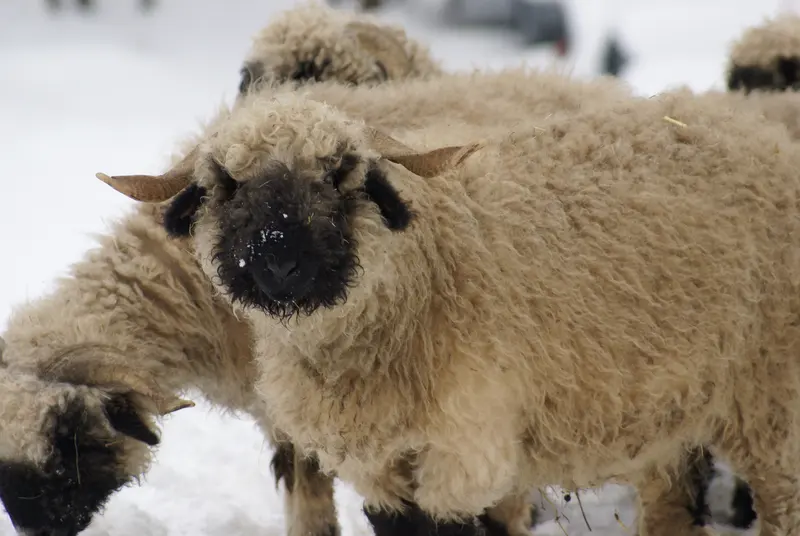
Blacknose Sheep in Zermatt
Where and when to meet the Valais Blacknose — the curly-horned, black-faced sheep of the Matterhorn valley — and how to watch them with respect.
Read guide
Charles Kuonen Suspension Bridge
How to reach and walk the Charles Kuonen suspension bridge above Randa near Zermatt — rail access, the climb from the valley, the bridge itself, head-for-heights notes and weather sense.
Read guide
Easy Walks in Zermatt
Gentle, low-effort walks in and above Zermatt — the village and riverside, the Furi forest, Riffelalp's level paths and the Sunnegga-area strolls — for non-hikers, families and mixed-ability groups.
Read guide
Five Lakes Walk Guide
Zermatt's most-loved easy hike, lake by lake — how to reach the start by funicular and gondola, which way to walk, where the Matterhorn reflects, how long it takes and the dawn timing that makes the picture.
Read guide