
Hörnlihütte Hike Guide
Who should walk toward the Hörnli Hut at the foot of the Matterhorn's climbing ridge — the route from Schwarzsee, the exposure, lift access, hut etiquette, safety and the weather rules that decide the day.

Photo: Ka23 13 / Wikimedia Commons · CC BY-SA 4.0
- ✓The Hörnlihütte sits at roughly 3,260 m at the foot of the Hörnli ridge — the start of the normal climbing route up the Matterhorn — reached on foot from Schwarzsee.
- ✓This is a demanding, exposed high-mountain walk on rocky terrain, not a casual stroll: surefootedness and a head for heights are essential.
- ✓Take the cable car to Schwarzsee (2,583 m) to save the climb out of the village, then walk up to the hut and back.
- ✓Weather turns fast and the path can hold snow or ice into summer; check conditions and turn back without ego if the mountain says no.
Walking to the foot of the climb
The Hörnlihütte is one of the most evocative destinations a non-climber can reach in Zermatt. It stands at about 3,260 m on the shoulder of the Matterhorn, right where the Hörnli ridge — the normal route to the summit, first climbed in 1865 — rears up into serious mountaineering ground. Walk here and you stand at the exact line where hiking ends and alpinism begins: above you, roped climbers set off before dawn for the top; below you, the whole valley falls away to the village. It is a pilgrimage of sorts, to the base of the most famous mountain in the Alps, and you can make it on your own two feet.
But be clear about what this is. The walk to the Hörnlihütte is not the Five Lakes loop or a meadow stroll. It is a steep, rocky, fully exposed high-altitude hike that climbs into thin air on a path with drop-offs, fixed sections in places, and weather that can change in minutes. It rewards fit, surefooted walkers with a head for heights and turns back everyone else. This guide is as much about deciding whether to go as it is about how — because the honest first question is whether this walk is for you at all.
At a glance
The shape of the day. Heights are evergreen; confirm the cable-car timetable, the published walking time, hut opening and current conditions before you commit. The Hörnlihütte is a managed alpine hut with a defined season — verify it is open and whether the path is passable.
- Destination: Hörnlihütte, roughly 3,260 m, at the foot of the Hörnli ridge.
- Trailhead: Schwarzsee, 2,583 m, reached by cable car from Zermatt via Furi.
- Terrain: steep, rocky, exposed high-alpine path with drop-offs and fixed sections.
- Suited to: fit, surefooted walkers with a head for heights and proper boots.
- Not suited to: casual walkers, vertigo sufferers, or anyone unsteady on rock.
- Season: short summer window once snow clears; the hut opens for a limited period — verify.
- Gear: sturdy boots, warm windproof layers, sun protection, water, food, map.
- Golden rule: start early, watch the weather, and turn back without hesitation if it deteriorates.
The route from Schwarzsee
Almost everyone starts at Schwarzsee, the cable-car station at 2,583 m reached from the village via Furi. Doing so saves a long, steep climb out of the valley and lets you begin the walk already high, with the Matterhorn filling the sky ahead. From the station, the marked path heads up toward the Hörnli ridge, climbing steadily over alpine slope and then onto rockier, steeper ground as you gain height. The hut comes into view long before you reach it, a small fixed point at the foot of the great ridge, and it stays maddeningly distant as the path zig-zags up the final, more exposed sections.
The upper part of the route is where it earns its grade. Expect rocky steps, narrow stretches with real drops to one side, and — depending on the year and the date — patches of old snow that demand care. Some sections may have fixed ropes or chains to steady you; these are reassurance, not a substitute for sure feet. The reward at the top is to stand on the threshold of the climb itself, with the village a vertical kilometre and a half below and the summit soaring directly overhead. Then you turn around and walk the same exposed ground back down, which on tired legs deserves as much respect as the way up.

Hut etiquette and what the Hörnlihütte is for
The Hörnlihütte is not a café built for day-trippers; it is a working mountain base, primarily there to shelter and feed the climbers who set out for the summit in the small hours. Day walkers are welcome to reach it and pause, but the etiquette is to remember whose house you are in. Climbers may be resting before an alpine start, so keep noise down, leave the quiet spaces to those who need sleep, and do not treat the hut as a destination to be loud at. If you buy a drink or a meal, you support the operation; if you only pause outside, take your litter back down with you.
If you intend to stay the night — some walkers do, to soak up the atmosphere or to acclimatise — book ahead, because beds are limited and prioritised in the climbing season, and confirm directly that the hut is open and has space. Inside, the rhythms are alpine: shared dormitories, hut slippers, early lights-out, and a pre-dawn breakfast clatter as the climbers leave. Treat it as a privilege rather than a hotel, and you will find it one of the most memorable nights the mountains offer.
Safety and the weather rules that decide the day
More than almost any walk around Zermatt, the Hörnlihütte hike is governed by conditions, and the discipline that keeps you safe is the willingness to abandon it. Start early so you are off the most exposed ground before the typical afternoon weather build-up; alpine storms here arrive fast and bring cold, wind, and the risk of being caught high on rock with lightning about. If cloud is dropping, if the wind is rising, or if snow or ice on the path is more than you are comfortable crossing, turn back. The hut will be there another year; the smartest mountaineers are the ones who go home.
Go properly equipped: sturdy boots with real grip, warm and windproof layers even in midsummer, sun protection for the thin, reflective air, plenty of water and food, and a charged phone. Tell someone your plan and your expected return. Know that altitude alone — over 3,200 m at the hut — can sap a flatlander's pace and judgement, so build in time and take it steadily. And recognise the boundary the hut marks: beyond it, the Hörnli ridge is technical mountaineering that requires a guide, a rope and experience. The walk takes you to that line and no further. Crossing it is a different undertaking entirely.
Common questions
A few things walkers most often ask before committing to the Hörnli path — answered plainly, because the honest answers help you decide.
- Can you walk to the Hörnlihütte without a guide? Yes — the path from Schwarzsee is a marked hiking route, not a climb, so fit, surefooted walkers can reach the hut unguided. Beyond it, the Hörnli ridge is technical mountaineering and requires a guide, rope and experience.
- How hard is it? Demanding. It is steep, rocky and fully exposed at altitude, with drop-offs and some fixed sections. It suits experienced hill walkers with a head for heights, not casual strollers.
- Do you need special gear? Sturdy boots with grip, warm windproof layers even in summer, sun protection, plenty of water and food, and a charged phone. No climbing equipment is needed to reach the hut itself.
- When can you do it? In the short summer window once the snow clears; the hut opens for a limited season. Verify both the hut opening and whether the path is passable before you go.
- Can you stay the night? Sometimes — book directly and well ahead, as beds are limited and climbers take priority in season. Confirm the hut is open and has space.
- Is it suitable for children? Generally no. The exposure and rocky terrain make it unsuitable for young children; gentler Matterhorn outings like Schwarzsee or Gornergrat are far better for families.
Should you go? An honest verdict
Go if you are fit, surefooted, comfortable with exposure and steep rock, properly equipped, and prepared to start early and turn back without sulking. For that walker, reaching the foot of the Matterhorn's climbing ridge under your own power is one of the great experiences the region offers — moving, humbling, and utterly unforgettable. It is also a fine, lung-stretching objective for an experienced hill walker who wants a serious mountain day without crossing into roped climbing.
Skip it — or save it for another trip — if heights make you uneasy, if you are unsteady on rocky ground, if the weather is doubtful, or if you simply want to be close to the Matterhorn without the exposure. The good news is that Zermatt has gentler ways to stand near the Horu: the Schwarzsee plateau itself, the Gornergrat ridge, and the high cable car to Klein Matterhorn all deliver the mountain without the demands of the Hörnli path. Choose the experience that matches your party honestly, and the mountain will reward you either way.


Schwarzsee Guide
The chapel, the dark tarn and the closest road-free view of the Matterhorn's east face — plus the hike to the Hörnli hut, the Glacier Trail and ski access from the Matterhorn side.
Read guide
Matterhorn Guide
A visitor's guide to seeing, photographing and understanding the Matterhorn — the Horu — without ever roping up: viewpoints, light, history and the small practicalities of the most famous mountain in the Alps.
Read guide
Zermatt Hiking Safety
What to know before you walk in Zermatt's high alpine terrain — weather, altitude, snowfields, footwear, trail markings, the last lift down, glacier caution and when a marked trail still needs a guide.
Read guideMore in Hiking & Summer
6
Best Family Hikes in Zermatt
Child-friendly hikes in Zermatt chosen by lift access, gentle effort, picnic and lake stops, playground rewards and an easy weather backup — so the whole family enjoys the mountain.
Read guide
Best Gornergrat Hikes
Scenic walking off the Gornergrat cog railway, where every intermediate station is an escape. The ridge descent to Riffelsee and Rotenboden, the longer Riffelberg and Riffelalp routes, and how the train-stop flexibility lets you walk as much or as little as the day allows.
Read guide
Best Hikes in Zermatt
A comparison of Zermatt's finest walks read the way the valley works — by altitude, lift access and weather. The Five Lakes loop, the Matterhorn Glacier Trail, the Gornergrat ridge and the gentler valley paths, ranked by difficulty, view and who they suit.
Read guide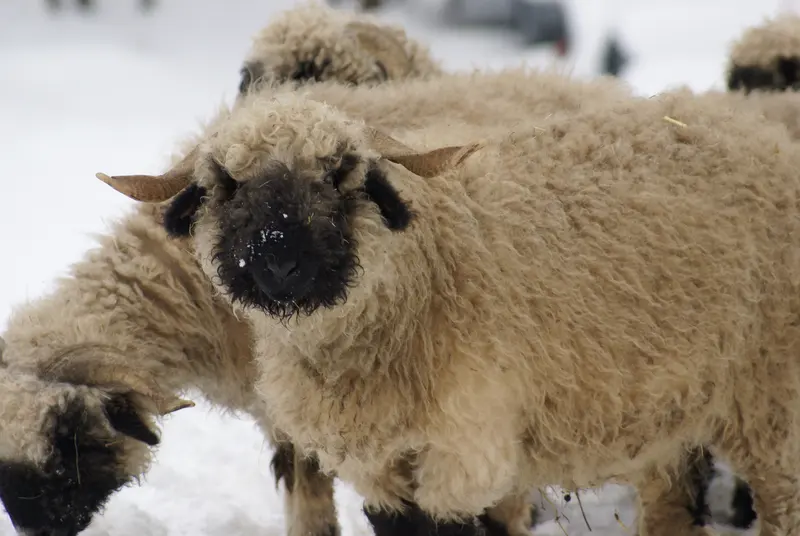
Blacknose Sheep in Zermatt
Where and when to meet the Valais Blacknose — the curly-horned, black-faced sheep of the Matterhorn valley — and how to watch them with respect.
Read guide
Charles Kuonen Suspension Bridge
How to reach and walk the Charles Kuonen suspension bridge above Randa near Zermatt — rail access, the climb from the valley, the bridge itself, head-for-heights notes and weather sense.
Read guide
Easy Walks in Zermatt
Gentle, low-effort walks in and above Zermatt — the village and riverside, the Furi forest, Riffelalp's level paths and the Sunnegga-area strolls — for non-hikers, families and mixed-ability groups.
Read guide