
Zermatt Hiking Safety
What to know before you walk in Zermatt's high alpine terrain — weather, altitude, snowfields, footwear, trail markings, the last lift down, glacier caution and when a marked trail still needs a guide.

Photo: Alex Moliski / Unsplash
- ✓Even a gentle, waymarked trail in Zermatt is high-alpine ground — the village sits at 1,608 m and trails climb well above 2,500 m.
- ✓Weather can turn fast and cold at altitude; carry layers, rain protection and water, and check the forecast before you set out.
- ✓Mind the last lift down. Missing it can turn an easy walk into a long, cold descent in the dark — note the closing time before you start.
- ✓Stay on marked trails, respect snowfields and glaciers, and hire a guide for anything beyond the waymarked network.
Beautiful, but never casual
Zermatt's hiking is some of the most rewarding in the Alps, and most of it is genuinely accessible — ride a lift, walk a traverse, look at the Matterhorn the whole way. But the ease of the network hides a simple fact: this is high mountain country. The village floor sits at 1,608 m and the trails climb from there, often well above 2,500 m, into thin air and fast-changing weather. A path that feels like a Sunday stroll in still morning sun can become serious in an hour if cloud rolls in, the temperature drops, and you are far from the last lift down.
None of this should put you off — it should simply make you prepared. The walkers who get into trouble here are almost never reckless mountaineers; they are visitors who treated a high alpine trail like a lowland footpath, in trainers, without a layer, having not checked when the lift stopped. A little forethought turns that risk into a magnificent, safe day. This page is the forethought.
At a glance — the hiking safety checklist
Run through this before any walk above the village. Treat it as evergreen, check the day's weather and lift times, and turn back early if conditions sour.
- Footwear: proper hiking boots with grip and ankle support — not trainers — for rocky, sometimes wet or snowy ground.
- Layers: warm and waterproof layers even in summer; it is far colder and windier on the high trails than in the village.
- Weather: check the mountain forecast before you go, and watch the sky on the trail — high cloud and afternoon storms can build fast.
- Water & sun: carry enough water, plus sun protection and sunglasses — UV is fierce at altitude even when it feels cool.
- Last lift: note the closing time of the lift or funicular you plan to ride down, and plan to be there with margin.
- Stay on the markers: follow the waymarked trails (yellow for walking, white-red-white for mountain routes) and don't shortcut onto snow or glacier.
- Tell someone: leave your route and expected return with someone, and carry a charged phone.
Hiking safety in Zermatt — frequently asked questions
Straight answers for walkers heading into high terrain. Treat the specifics as evergreen, check the forecast and lift times on the day, and let conditions, not your schedule, decide how far you go.
- Do I need hiking boots? Yes — proper boots with grip and ankle support. The trails are rocky and uneven, sometimes wet or snowy, and trainers slip and offer no support.
- How cold does it get on the trails? Much colder than the village, especially with wind and cloud. Carry warm and waterproof layers even on a hot summer morning; the high traverses can feel wintry in minutes.
- Will I feel the altitude? You might. The trails run well above 2,500 m, where the air is thin — pace yourself, drink water, and don't be surprised by breathlessness or a mild headache. Give yourself a day to acclimatise before a big walk.
- What about snow on the trail? Early and late in the season, and at altitude, snowfields can linger across paths. They can be slippery and hide the trail; if a snowfield looks steep or you're unsure, turn back rather than cross it.
- How do I read the trail markings? Yellow markers and diamonds are walking trails; white-red-white markers are mountain trails needing surer footing; white-blue-white are alpine routes for the experienced. Match the trail to your ability.
- What is the deal with the last lift? Many walks rely on a lift or funicular down. Miss the last one and you face a long, steep descent on foot, possibly in the dark and cold. Always check the closing time and arrive with margin.
- Can I walk on the glaciers? Not without a guide. Glaciers have crevasses hidden under the snow and require roped travel and skill. Marked hiking trails keep you off the ice — stay on them and never wander onto a glacier alone.
- When do I need a guide for hiking? For anything beyond the waymarked network — high off-trail routes, scrambles, via ferrata, glacier ground — and for early or late season when snow lingers. The marked trails themselves you can walk independently with sensible preparation.
- What if the weather turns? Turn back. Afternoon storms, fog and cold can arrive quickly at altitude. Don't push on toward a summit or a view if the sky is building — the mountain will be there next time.
 What to pack for ZermattThe layers, boots and small kit that turn a high alpine walk from a risk into a pleasure.
 Altitude in ZermattWhat thin air does to you and how to acclimatise before a big walk or a high viewpoint.
 Zermatt mountain guidesWhen a marked trail still needs a guide — glaciers, high traverses and off-trail ground.
Walk well, and the mountain gives you everything
Hiking safety in Zermatt is not a list of fears — it is the small discipline that lets you have the day you came for. Boots on your feet, layers in your pack, a glance at the forecast and the last lift, and a willingness to turn back: with those in hand, the Five Lakes loop mirrors the Matterhorn for you, the Gornergrat ridge unrolls its panorama, and the high trails deliver the quiet, golden light that the people in trainers never quite reach.
Respect the altitude, the weather and the markers, leave the glaciers and the unmarked ground to the guides, and Zermatt's hundreds of kilometres of trail become exactly what they should be — generous, safe and unforgettable. The mountain rewards the prepared walker more than any other kind.

What to pack for Zermatt
A practical packing list for the car-free village — layers for fast-changing mountain weather, kit for ski days and summer hikes, high-altitude sun protection and something for a Bahnhofstrasse dinner.
Read guideAltitude in Zermatt guide
How altitude affects a Zermatt trip — the village at 1,608 m, the cog to Gornergrat and the cable-car to Glacier Paradise near 3,900 m — with practical pacing, who's most affected and when to descend.
Read guide
High-Altitude Hikes in Zermatt
How to choose Zermatt's serious high-mountain hikes by fitness, exposure, altitude and lift access — the Matterhorn Glacier Trail, the Hörnli approach, the Gornergrat ridges — with the weather sense they demand.
Read guideMore in Hiking & Summer
6
Best Family Hikes in Zermatt
Child-friendly hikes in Zermatt chosen by lift access, gentle effort, picnic and lake stops, playground rewards and an easy weather backup — so the whole family enjoys the mountain.
Read guide
Best Gornergrat Hikes
Scenic walking off the Gornergrat cog railway, where every intermediate station is an escape. The ridge descent to Riffelsee and Rotenboden, the longer Riffelberg and Riffelalp routes, and how the train-stop flexibility lets you walk as much or as little as the day allows.
Read guide
Best Hikes in Zermatt
A comparison of Zermatt's finest walks read the way the valley works — by altitude, lift access and weather. The Five Lakes loop, the Matterhorn Glacier Trail, the Gornergrat ridge and the gentler valley paths, ranked by difficulty, view and who they suit.
Read guide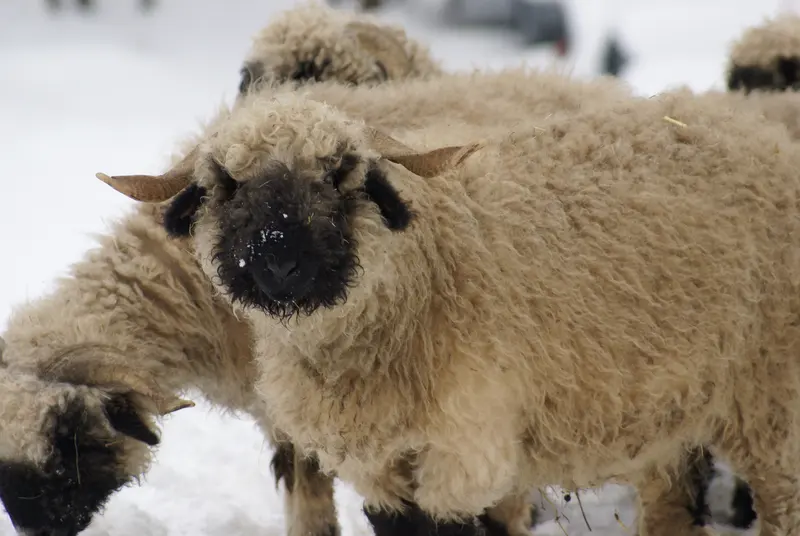
Blacknose Sheep in Zermatt
Where and when to meet the Valais Blacknose — the curly-horned, black-faced sheep of the Matterhorn valley — and how to watch them with respect.
Read guide
Charles Kuonen Suspension Bridge
How to reach and walk the Charles Kuonen suspension bridge above Randa near Zermatt — rail access, the climb from the valley, the bridge itself, head-for-heights notes and weather sense.
Read guide
Easy Walks in Zermatt
Gentle, low-effort walks in and above Zermatt — the village and riverside, the Furi forest, Riffelalp's level paths and the Sunnegga-area strolls — for non-hikers, families and mixed-ability groups.
Read guide