
High-Altitude Hikes in Zermatt
How to choose Zermatt's serious high-mountain hikes by fitness, exposure, altitude and lift access — the Matterhorn Glacier Trail, the Hörnli approach, the Gornergrat ridges — with the weather sense they demand.

Photo: Christopher Politano / Unsplash
- ✓Zermatt's lifts deliver you above 3,000 m, where the air is thin, the ground bare and the rewards immense.
- ✓These are real mountain hikes — exposure, altitude and fast weather demand fitness, boots and judgement.
- ✓Choose by fitness, head for heights and the lift that unlocks the route, not by distance alone.
- ✓An early start, a settled forecast and a turn-around plan matter more up here than anywhere lower.
Where the mountain gets serious
Above roughly 2,500 metres, Zermatt's walking changes character. The gentle lake loops and forest paths give way to bare rock, scree and ice; the air thins, the sun bites harder, and the weather can swing from blazing to bitter in the time it takes a cloud to cross the valley. This is the realm of the high-altitude hikes — the Matterhorn Glacier Trail skirting the ice, the approach to the Hörnli hut beneath the great north-east ridge, the long Gornergrat traverses level with the four-thousanders. They are the most spectacular walks in the valley, and the most demanding.
The lifts make them accessible in a way few other mountains can match: a cable car or cog drops you straight into high alpine terrain, no thousand-metre slog required. But access is not the same as ease. Up here the altitude itself slows you, the exposure tests your nerve, and a missed forecast has real consequences. The skill is choosing the right route for your fitness, your tolerance for height and the day's conditions — and this guide is about how to make that choice well.
The high routes, and what they ask of you
A shortlist of Zermatt's serious high-altitude hikes with the demands they make. All depend on the lifts and the season; confirm timetables, trail opening and the day's weather before committing.
- Matterhorn Glacier Trail (Trockener Steg to Schwarzsee): a high, exposed traverse beside the glacier at the foot of the Horu — moderate fitness, real altitude, big rewards.
- Hörnli hut approach (from Schwarzsee): a steep, rocky climb towards the climbers' hut beneath the Matterhorn ridge — demanding, exposed, for sure-footed walkers.
- Gornergrat ridge traverses (Rotenboden to Riffelberg and beyond): high, open ridge walking level with the glaciers and four-thousanders.
- Rothorn-side high paths: exposed traverses on the Sunnegga flank above Blauherd, with panoramic but airy walking.
- Glacier-edge and viewpoint walks from the top stations: shorter but high, for tasting the altitude without a full traverse.
At a glance
The shared demands of high-altitude hiking in Zermatt, and the kit it requires. The variables that change daily — weather, trail opening, lift status — are the ones to check every single time.
- Altitude: routes commonly sit at or above 2,500–3,100 m; the thin air slows everyone.
- Fitness: moderate to strong, depending on the route and the day's distance.
- Exposure: significant on several routes — a head for heights matters.
- Footwear: proper hiking boots with grip; not trainers.
- Kit: layers, wind and rain protection, strong sun protection, food and water.
- Season: broadly summer into autumn, snow-free only; high trails close in winter.
- Timing: start early, beat afternoon storms, keep daylight in hand for descent.
How to choose the right route
Don't pick a high hike by its photographs alone; pick it by an honest read of three things. First, fitness: altitude amplifies effort, so a distance that feels easy at home is harder at 3,000 m, and acclimatising over your first day or two in the valley makes a real difference. Second, exposure: some of these routes traverse steep, airy ground where a slip matters and a fear of heights will spoil the day — the Hörnli approach and parts of the Glacier Trail are not for the nervous. Third, the lift: each route hinges on a particular cable car or cog running and on the high trail being open for the season, so the lift status and trail report shape what is even possible on a given day.
Match those to your group's weakest link, not its strongest. If anyone is short of fitness, uneasy with heights, or new to the altitude, choose a shorter, less exposed high walk — a glacier-edge stroll from a top station, or a section of the Gornergrat ridge — over a committing traverse. The mountain will still be there next time, and there is no view worth a frightened, exhausted companion on exposed ground. Building up over a few days, easy to hard, is the way the regulars do it.
Weather, altitude and the safety margin
High in the mountains the weather is not a backdrop, it is the whole game. Storms build fast on summer afternoons, cloud can swallow a marked trail in minutes, and there is little shelter on an exposed traverse. So the discipline is always the same: watch the forecast for a clear, settled day, start early to be off the high ground before the afternoon, and set a turn-around time you actually honour. Carry the layers, the wind and rain protection and the strong sun protection that altitude demands, plus more water and food than a valley walk would need.
Respect the altitude itself. The thin air slows you and can bring headaches or breathlessness, especially on your first days up high, so pace gently, drink often and don't be proud about turning back. Stay on the marked routes — off the trail there is loose rock, hidden ice and crevasse danger near the glaciers — and never step onto glacier ice itself without a guide and the right equipment. None of this is meant to deter you; it is what makes these walks safe enough to be the most exhilarating days Zermatt offers.
- Go only on a clear, settled forecast; turn back if the weather changes.
- Start early to be off exposed ground before afternoon storms build.
- Set and honour a turn-around time; pace gently for the altitude.
- Stay on marked trails; never walk on glacier ice without a guide.
- Carry layers, wind/rain and sun protection, and ample food and water.
Frequently asked questions
Quick answers to the questions walkers most often ask before heading high above Zermatt.
- Do I need to be very fit? You need moderate-to-good fitness, more for the longer or steeper routes; altitude makes everything harder, so acclimatise over your first days and choose to your group's weakest link.
- Do I need a guide? Not for the marked high hiking trails, which are signed and maintained — but you do for anything on glacier ice or true mountaineering ground like the upper Matterhorn.
- When is the season? Broadly summer into autumn, once the high trails are snow-free; they close or become impassable in winter and shoulder season — always check the trail report.
- How high will I actually be? Many routes sit between roughly 2,500 and 3,100 m, with top lift stations higher still; expect thinner air and stronger sun than the valley.
- What if the weather turns? Turn back — there is no shame and no substitute. Keep daylight in hand, know your lift's last departure, and never push on into a building storm on exposed ground.
- Are these suitable for children? Generally no; for families, choose the gentler lift-assisted walks instead and save the high traverses for confident, experienced groups.


Matterhorn Glacier Trail Guide
A high-alpine traverse between Trockener Steg and Schwarzsee, through moraine and bare rock with the Matterhorn looming close — how to reach it by cable car, which direction to walk, the glacier story along the way and the safety the altitude demands.
Read guide
Hörnlihütte Hike Guide
Who should walk toward the Hörnli Hut at the foot of the Matterhorn's climbing ridge — the route from Schwarzsee, the exposure, lift access, hut etiquette, safety and the weather rules that decide the day.
Read guide
Zermatt Hiking Safety
What to know before you walk in Zermatt's high alpine terrain — weather, altitude, snowfields, footwear, trail markings, the last lift down, glacier caution and when a marked trail still needs a guide.
Read guideMore in Hiking & Summer
6
Best Family Hikes in Zermatt
Child-friendly hikes in Zermatt chosen by lift access, gentle effort, picnic and lake stops, playground rewards and an easy weather backup — so the whole family enjoys the mountain.
Read guide
Best Gornergrat Hikes
Scenic walking off the Gornergrat cog railway, where every intermediate station is an escape. The ridge descent to Riffelsee and Rotenboden, the longer Riffelberg and Riffelalp routes, and how the train-stop flexibility lets you walk as much or as little as the day allows.
Read guide
Best Hikes in Zermatt
A comparison of Zermatt's finest walks read the way the valley works — by altitude, lift access and weather. The Five Lakes loop, the Matterhorn Glacier Trail, the Gornergrat ridge and the gentler valley paths, ranked by difficulty, view and who they suit.
Read guide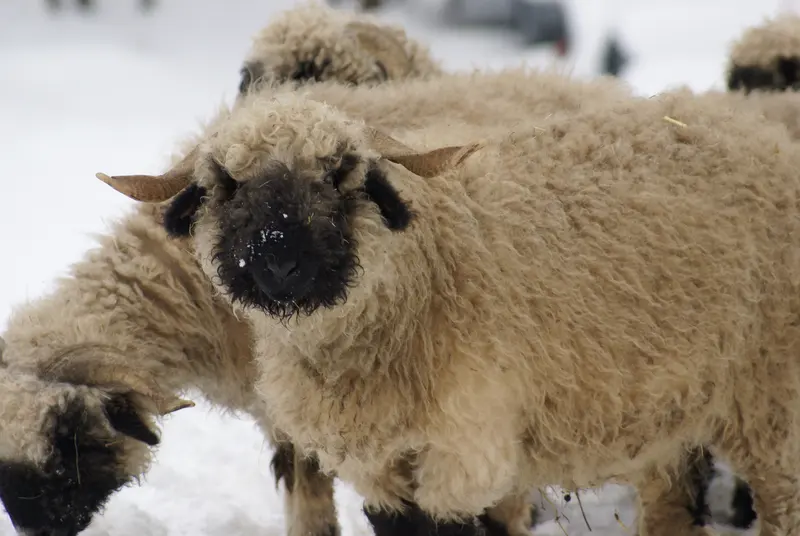
Blacknose Sheep in Zermatt
Where and when to meet the Valais Blacknose — the curly-horned, black-faced sheep of the Matterhorn valley — and how to watch them with respect.
Read guide
Charles Kuonen Suspension Bridge
How to reach and walk the Charles Kuonen suspension bridge above Randa near Zermatt — rail access, the climb from the valley, the bridge itself, head-for-heights notes and weather sense.
Read guide
Easy Walks in Zermatt
Gentle, low-effort walks in and above Zermatt — the village and riverside, the Furi forest, Riffelalp's level paths and the Sunnegga-area strolls — for non-hikers, families and mixed-ability groups.
Read guide