
Ricola Herb Garden, Zermatt
A gentle, low-effort summer stop above Zermatt — the alpine herb garden behind the famous Swiss sweets, easy to reach and lovely with children.

Photo: Daniel Sessler / Unsplash
- ✓A small alpine herb garden near Zermatt showcasing the Swiss mountain herbs behind Ricola's well-known sweets.
- ✓Low effort, high charm: a flat, fragrant, easy stop that suits families, slow days and anyone short on legs.
- ✓It sits on the gentle ground between the village and Furi — pair it with an easy walk or a lift ride.
- ✓It's a seasonal, summer kind of place — verify access, opening and whether it's running before you set out.
The quiet, fragrant stop on a busy mountain
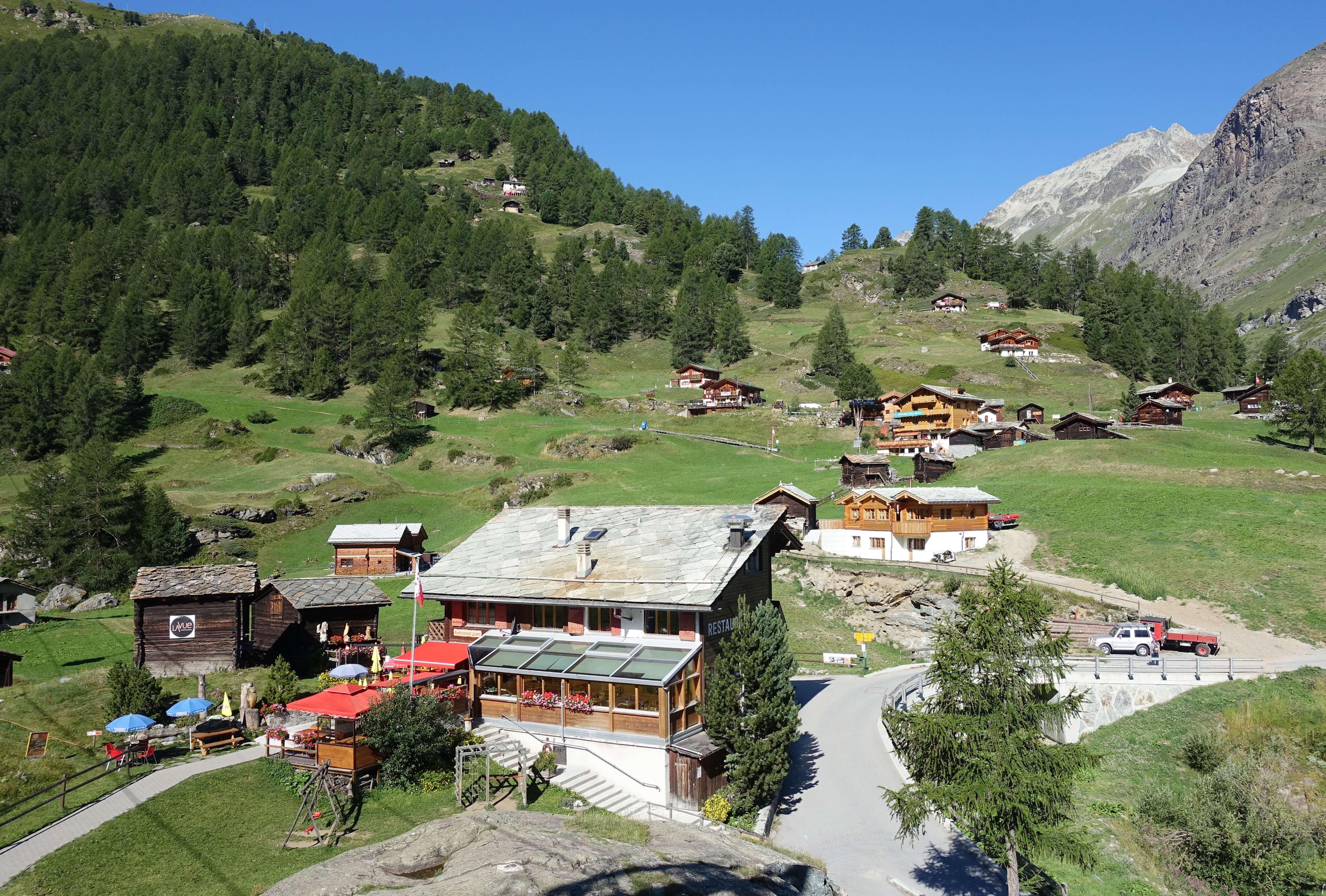
Not every hour in Zermatt has to be spent gasping at altitude. Tucked into the gentler ground above the village is a small alpine herb garden tied to Ricola — the Swiss maker of the herb sweets nearly everyone has unwrapped on a flight or a cold morning. It is a low-key, low-effort spot: labelled beds of the thirteen mountain herbs that flavour those familiar lozenges, set on a sunny slope with the valley falling away below and, on a clear day, the Matterhorn presiding over the whole scene.
The appeal is exactly its smallness. After the grandeur of the cog railway and the glacier viewpoints, a fragrant garden you can stroll in flat shoes is a welcome change of pace — the kind of thing that suits a slow morning, a recovery day, a family with tired children, or a couple who simply want to sit somewhere pretty and breathe in sage and thyme rather than thin glacier air. Think of it as a comma in the trip, not an exclamation mark.
What you'll actually find there
The draw is the herbs themselves. Ricola's recipe famously rests on a blend of Swiss alpine herbs — sage, thyme, peppermint, lady's mantle, mallow and the rest — and the garden is a chance to see, smell and recognise the living plants behind the flavour. Walking the beds, crushing a leaf gently between your fingers and matching the scent to a sweet you have eaten a hundred times is a small, genuine pleasure, and an easy bit of nature education for children who might otherwise glaze over at another viewpoint.
It is a modest place, so set your expectations accordingly: this is a charming garden interlude, not a half-day attraction. There is no need to plan a whole excursion around it. Its real value is as a pairing — a soft, scented stop you fold into an easy walk or a lift ride, somewhere to linger for twenty unhurried minutes and let the mountain feel friendly rather than fierce.
- Labelled beds of the Swiss alpine herbs behind Ricola's sweets — see, smell and learn them.
- Flat, easy, family-friendly ground — no scrambling, no altitude effort.
- A short visit by design: a lovely comma in the day, not a destination in itself.
- Best in summer when the herbs are up and the slope is green.
How to fit it into an easy day
The garden lives on the gentle, walkable terrain between the village and the Furi area on the Matterhorn side of the valley — the same friendly slopes that carry families and slow walkers. The natural way to enjoy it is to make it one stop on a low-effort outing rather than a single-purpose trip: walk up from the village along an easy path, or ride a lift to gain the height and stroll back down, taking the garden in as you pass. Combine it with a meadow picnic, a mountain-restaurant terrace, or a longer-but-still-gentle ramble and you have a complete, relaxed half-day with nothing strenuous in it.
Because it is a seasonal, summer kind of place set on the open mountain, treat the practical details as things to confirm rather than assume. Whether it is open, how exactly to reach it, and what (if anything) it costs are all worth checking with the tourist office, your hotel, or the lift company before you set off — opening and access can change year to year, and there is no sense climbing to a closed gate. Wear sensible shoes, take sun cover even for a short walk this high, and pick a clear day so the Matterhorn joins you.
- On the gentle terrain between the village and Furi — easy on foot or by lift.
- Best paired with an easy walk, a picnic or a terrace lunch rather than visited alone.
- Seasonal and outdoors — verify opening, access and any cost locally before you go.
- Sensible shoes, sun protection and a clear day for the peak.
The thirteen herbs, and why they grow here
The number to remember is thirteen. Ricola's herb mixture has long been built on a blend of thirteen Swiss mountain herbs, and the garden is essentially a living key to that recipe: sage, mallow, peppermint, thyme, lady's mantle, speedwell, marshmallow, burnet, yarrow, elder, horehound, cowslip and ribwort plantain. You do not need to memorise the list — but knowing it turns a stroll past labelled beds into a small treasure hunt, especially with children who can be set loose to find and sniff each one in turn.
What makes alpine herbs worth a brand and a garden is the altitude itself. Plants growing high in the mountains face fierce ultraviolet light, big swings between warm days and cold nights, thin soils and a short, intense growing season. They respond by concentrating aromatic oils and bitter compounds in their leaves — the very things that give mountain sage or thyme a sharper, more resinous punch than the supermarket kind. Crush a leaf between finger and thumb in a high garden like this and the smell that comes off it is noticeably more potent than the same herb grown in a lowland window box. That concentration is the whole point: it is why these particular plants, grown at these heights, became the basis of a recipe rather than just a pretty border.
It is also, quietly, a lesson in the Valais way of life. For centuries the people of these valleys gathered wild mountain herbs for teas, tinctures and remedies long before any sweet was wrapped in waxed paper, and the meadows above Zermatt still turn purple, yellow and white with wildflowers and herbs in high summer. The garden distils that older relationship with the slope into something you can walk through in twenty minutes — a reminder that the mountain is not only scenery and ski runs but a working, fragrant, useful landscape.
- Thirteen Swiss mountain herbs underpin the recipe — sage and thyme are the ones children spot first.
- Altitude concentrates the aromatic oils, so the scents are stronger than lowland herbs.
- Gathering mountain herbs is an old Valais tradition the garden gently echoes.
- Pair the visit with the wildflower meadows that colour the slopes in high summer.

Making a relaxed half-day of it
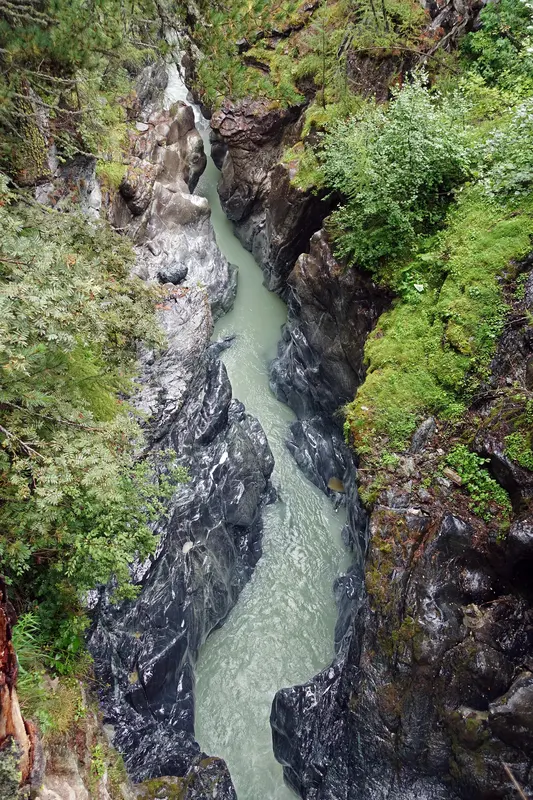
Because the garden is small, the trick to enjoying it is to thread it onto a wider, gentle day rather than treat it as the destination. A classic low-effort plan starts with the cable car or gondola up the Matterhorn side of the valley, a slow wander on the friendly terrain around Furi, and an unhurried walk back down toward the village, folding the herb garden in as one fragrant pause along the way. Add a terrace lunch at one of the mountain restaurants, a stop at the Furi suspension bridge, or a detour into the cool, roaring depths of the Gorner Gorge, and you have built a complete half-day with not a single strenuous metre in it.
It is an especially good plan for the awkward days every trip throws up: a recovery day after a big hike, an acclimatisation day at the start when nobody should be charging up to 3,000 m yet, a soft afternoon with small children, or simply a day when the high peaks are wrapped in cloud and the grand viewpoints are a waste of a ticket. Down here on the green, lower slopes the weather is often kinder and the mood gentler, and a scented garden is exactly the right scale of ambition.
Practical reminders, since this is open mountain ground: confirm opening, access and any cost with the tourist office, your hotel or the lift company before you commit, because seasonal attractions on the slope can change from year to year. Wear comfortable shoes even for an easy walk, carry water and sun protection — the alpine sun is strong even on a gentle stroll — and save the outing for a clear day so the Matterhorn stands over the herb beds the way the postcards promise.
- Build it into a Furi-area loop with a terrace lunch, the suspension bridge or the gorge.
- Ideal for recovery days, early acclimatisation, small children or a cloudy-summit day.
- Lower slopes often mean kinder weather than the high viewpoints.
- Verify opening and access locally; bring shoes, water, sun cover and pick a clear day.

Zermatt With Kids
Family-friendly lifts, Wolli Park, Leisee, easy walks, the Matterhorn Museum, sledging and low-stress mountain days in a car-free village built for small legs.
Read guide
Easy Walks in Zermatt
Gentle, low-effort walks in and above Zermatt — the village and riverside, the Furi forest, Riffelalp's level paths and the Sunnegga-area strolls — for non-hikers, families and mixed-ability groups.
Read guide
Zermatt Summer Guide
How to plan Zermatt in the warm months — when the snow pulls back and the village turns to lakes, larch and 400 km of trails. Lifts, hikes, mountain biking, the blacknose sheep, weather, hotels and the timing that keeps you ahead of the crowds.
Read guideMore in Hiking & Summer
6
Best Family Hikes in Zermatt
Child-friendly hikes in Zermatt chosen by lift access, gentle effort, picnic and lake stops, playground rewards and an easy weather backup — so the whole family enjoys the mountain.
Read guide
Best Gornergrat Hikes
Scenic walking off the Gornergrat cog railway, where every intermediate station is an escape. The ridge descent to Riffelsee and Rotenboden, the longer Riffelberg and Riffelalp routes, and how the train-stop flexibility lets you walk as much or as little as the day allows.
Read guide
Best Hikes in Zermatt
A comparison of Zermatt's finest walks read the way the valley works — by altitude, lift access and weather. The Five Lakes loop, the Matterhorn Glacier Trail, the Gornergrat ridge and the gentler valley paths, ranked by difficulty, view and who they suit.
Read guide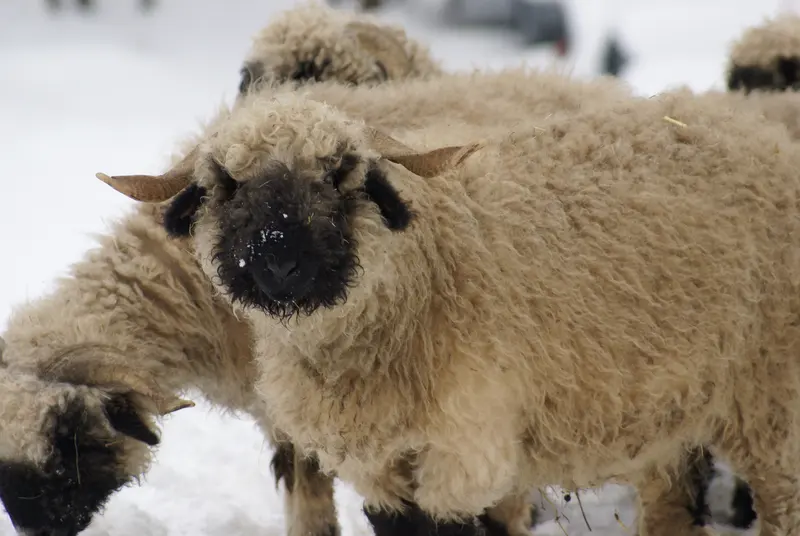
Blacknose Sheep in Zermatt
Where and when to meet the Valais Blacknose — the curly-horned, black-faced sheep of the Matterhorn valley — and how to watch them with respect.
Read guide
Charles Kuonen Suspension Bridge
How to reach and walk the Charles Kuonen suspension bridge above Randa near Zermatt — rail access, the climb from the valley, the bridge itself, head-for-heights notes and weather sense.
Read guide
Five Lakes Walk Guide
Zermatt's most-loved easy hike, lake by lake — how to reach the start by funicular and gondola, which way to walk, where the Matterhorn reflects, how long it takes and the dawn timing that makes the picture.
Read guide