
Boutique hotels in Zermatt
Design-led, chalet-style and intimate village-centre hotels in Zermatt — for travellers who want character, individuality and a strong sense of place over the scale and polish of a grand hotel.

Photo: Clay Banks / Unsplash
- ✓Boutique Zermatt is about character over scale — design-led and family-run chalet hotels with a handful of rooms, a fire in the lounge, and a sense that someone owns the place.
- ✓You trade the deep facilities of a grand hotel for warmth, individuality and a stronger sense of the village's real personality.
- ✓Many of the best sit in the village centre or the quieter old Hinterdorf, putting Zermatt's lanes, dining and atmosphere at the door.
- ✓Names, rates and facilities change — use this to weigh the choice, then verify directly with the hotel before booking.
What 'boutique' means in Zermatt
Boutique is a slippery word, but in Zermatt it points to something real: hotels that choose character over scale. These are the design-led and family-run chalet-style places with a handful of rooms rather than a few hundred, where the lounge has a wood-burning stove and a few well-worn armchairs, where the owner's taste is visible in every corner, and where the staff know your name by the second morning. They trade the deep facilities of a grand hotel — the multiple dining rooms, the vast spa, the round-the-clock concierge — for intimacy, individuality and a much stronger sense of the village's own personality. If a big hotel can feel the same in Zermatt as it does anywhere, a good boutique hotel could only exist here.
That trade suits a particular traveller. If you want to be looked after completely by a large professional team and value a full spa and several restaurants on site, a grand hotel is the better fit. But if you'd happily swap all of that for a room with real character, a fireside lounge, a breakfast made with care, and the feeling that you're staying in someone's mountain home rather than a brand, the boutique end is where Zermatt's warmth lives. This guide walks how to choose among them, keeping to evergreen truths about the village rather than ranking names or quoting prices.
At a glance — choosing a boutique Zermatt hotel
Decide which of these matters most, then let it choose the hotel. Treat names, rates and facilities as evergreen — confirm directly with the hotel and verify pricing before you book.
- Style: design-led and contemporary, or traditional chalet-style and rustic — pick the character you want to wake up in.
- Scale: a handful of rooms means warmth and individuality but fewer on-site facilities; be sure you don't need a big spa or several restaurants.
- Location: village centre for the lanes and dining at your door, or the quieter old Hinterdorf and edges for hush and atmosphere.
- The personal touch: family-run places live or die on the owners' care — a strong, individual welcome is the whole point.
- View: smaller hotels may have only some rooms facing the peak; ask specifically which categories see the Matterhorn.
- Car-free reality: most boutique stays are walkable to everything; confirm whether they run or share an electric shuttle for arrival and gear.
- Verify: rates, room character and facilities vary widely at this end — confirm with the hotel before booking.
Design-led versus chalet-style — two kinds of character
Within the boutique world, Zermatt offers two broad moods. The design-led stays are contemporary and considered — clean lines, natural materials used with intent, careful lighting and a curated sense of place. They feel current and individual, and the room itself is part of the experience rather than just a place to sleep. Choose this mood if you want your base to feel modern and personal, and if design matters to you as much as the view from the window.
The chalet-style stays lean the other way, into tradition and warmth — aged larch, low ceilings, sheepskins, a stove, the smell of woodsmoke and the feel of a real Valais mountain house. These are often the family-run places, where generations have shaped the building and the welcome is personal in a way no big hotel can replicate. Choose this mood if you want cosiness and authenticity over polish, and if the idea of a fireside lounge after a day on the mountain is exactly what you came for. Many of the best boutique hotels blend the two — modern comfort inside a traditional chalet shell — and that combination is, for a lot of travellers, the most Zermatt thing of all.


Where in the village to look
Location shapes a boutique stay more than a grand-hotel one, because part of the appeal is being woven into the village rather than insulated from it. The centre, on or just off the Bahnhofstrasse, puts Zermatt's lanes, restaurants, bakeries and evening atmosphere directly at your door — ideal if you want to step out into the life of the place and walk everywhere. It can be livelier at night, which is a feature or a drawback depending on your trip.
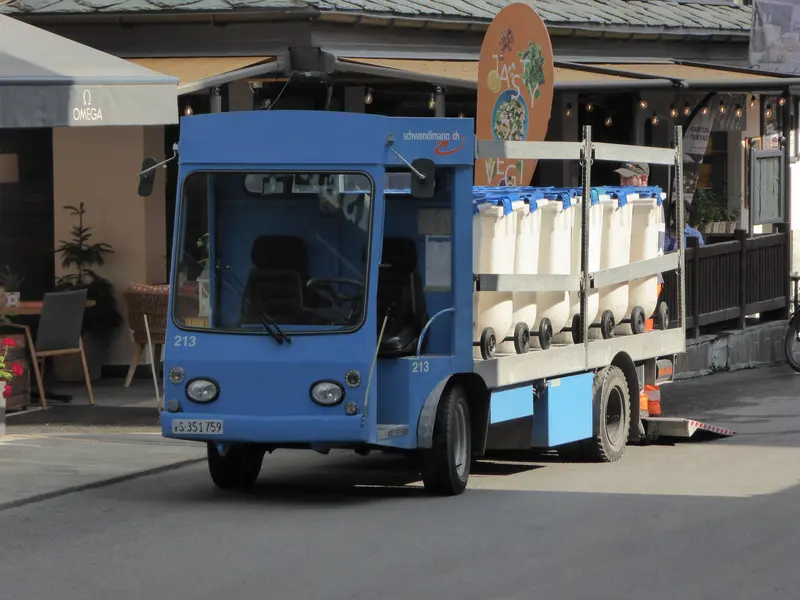
For quiet and character, the old Hinterdorf — Zermatt's ancient timbered heart, with its weathered grain-stores raised on stone discs against the mice — and the calmer residential edges like Winkelmatten offer a few minutes' more walking in exchange for genuine hush and a stronger sense of village history. A boutique hotel here feels embedded in old Zermatt rather than in the tourist centre. Wherever you look, the village is small and car-free, so almost everything is walkable; the question is really how much buzz you want at the door versus how much calm. Ask the hotel how far the nearest lift and the Bahnhofstrasse are, and whether they help with arrival and gear via an electric cart.
 The BahnhofstrasseThe main pedestrian street and its dining, shops and evening energy — the centre boutique scene.
 Village-centre hotelsStaying in the heart of Zermatt — the lanes, dining and atmosphere at your door.
 Zermatt village walkA walk through the old Hinterdorf and the quiet corners where the chalet hotels hide.
What you gain — and what you give up
The honest tradeoff is worth naming plainly. What you gain at the boutique end is warmth, individuality, a real sense of place, and often a more personal level of care than any large hotel can offer — the owner who remembers how you take your coffee, the lounge that feels like a home, the room that nobody else has stayed in quite the same way. For many travellers, and especially couples, that's the entire appeal, and it's hard to find in a property with three hundred rooms.
What you give up is depth of facilities. A small hotel may have a modest wellness room rather than a full spa, a single dining room or breakfast-only, and a smaller team, which can mean less round-the-clock service and fewer extras. If a serious spa, multiple restaurants or a concierge who can arrange anything are non-negotiable, the grand hotels serve you better. The art is matching the trade to your trip: for atmosphere, romance and a strong sense of Zermatt itself, boutique wins; for full-service indulgence and deep facilities, the grand hotels do. Be clear about which you're optimising for, and verify the specifics — small hotels vary enormously — directly before you book.

Season, season and the boutique sweet spot
Small hotels feel different across the year, and the boutique end of Zermatt arguably shines brightest in the quieter seasons. In deep winter, the village is at its busiest and the larger hotels can absorb the crowds more comfortably; a tiny chalet hotel is wonderful, but you'll want to book early because there simply aren't many rooms. What a boutique stay does best in winter is atmosphere — a fire in the lounge after a cold day, a small dining room, the feel of a real mountain house rather than a busy lobby — so weigh that against the practical winter essentials of a boot room and a route to your lift, which a small hotel may handle more modestly than a big one.
In summer and the shoulder seasons, the boutique end comes into its own. The village is calmer, the smaller hotels feel more personal still, and the golden-larch weeks of late autumn pair beautifully with an intimate chalet and a fireside evening. This is also where a boutique stay can be surprisingly good value relative to its character, though prices span the full range and nothing here is truly cheap. Whenever you go, the sweet spot is the same: a small hotel with genuine character, a personal welcome, a sensible position in the village, and honesty from you about which facilities you can live without. Confirm the specifics — small hotels vary enormously season to season — directly with the hotel before you book.

Boutique hotels in Zermatt — frequently asked questions
Quick answers for the character-over-scale traveller. Treat names, rates and facilities as evergreen and confirm directly with the hotel before booking.
- What makes a hotel boutique in Zermatt? A handful of rooms, a strong individual character — design-led or chalet-style — and a personal, often family-run welcome, over the scale and facilities of a grand hotel.
- Boutique or grand hotel? Boutique for warmth, individuality and a sense of place; grand for deep facilities, a full spa and complete service. Different trips.
- Are boutique hotels good for couples? Often the best choice — intimacy, character and a fireside lounge suit a romantic trip beautifully; many double as romantic bases.
- Where should I stay for atmosphere? The village centre for lanes and dining at the door, or the old Hinterdorf and quiet edges for hush and history.
- Will a small hotel have a spa or restaurant? Sometimes only a modest wellness room and breakfast — if a full spa or several restaurants matter, look at the grand or spa hotels instead.
- Are boutique hotels cheaper? Not necessarily — they span the range; you're paying for character rather than scale, and some are very much at the top end.

Where to Stay in Zermatt
Area-by-area advice for choosing a base in car-free Zermatt — station convenience, Matterhorn views, ski-lift access, quiet corners, families, luxury and the Täsch tradeoff — from Walliser chalets to grand hotels.
Read guide
Best hotels in Zermatt
How to choose the right Zermatt hotel for you, read by what actually matters in a car-free alpine village — Matterhorn views, lift access, spa quality, family fit, romance, budget and season — rather than by star count alone.
Read guide
Luxury hotels in Zermatt
What luxury really means in a car-free alpine village — grand spa hotels, design-led stays, chalet suites and discreet high-end bases in Zermatt — and how to choose between scale, view, spa and seclusion.
Read guideMore in Where to Stay
6
Accessible hotels in Zermatt
How to choose a step-free base in a car-free alpine village — what to ask about lifts and elevators, where to stay for an easy station transfer and e-bus access, how winter surfaces change the picture, and the questions that matter more than the star rating.
Read guide
Best Area to Stay for a First Visit
The simplest possible area guide for first-timers choosing a base in car-free Zermatt — village centre, quiet Winkelmatten, near the ski lifts, or budget-friendly Täsch — with a plain recommendation for each kind of trip.
Read guide
Budget hotels in Zermatt
How to stay in Zermatt for less — value hotels and guesthouses, hostels and dorms, self-catering apartments, the Täsch tradeoff, and the timing and habits that bring an expensive Swiss resort within reach without leaving the mountain behind.
Read guide
Chalets & apartments in Zermatt
When to choose a chalet, apartment or serviced residence over a hotel in Zermatt — the kitchen, the space and the privacy you gain, what you give up on service and dining, and the car-free luggage, ski-storage and check-in logistics to settle before you book.
Read guide
Family hotels in Zermatt
How to choose a Zermatt hotel that genuinely works for families — proximity to ski school and the gentle Sunnegga side, family rooms and connecting doors, a kid-friendly pool, flexible dining, a kitchen when you need one, and easy luggage in a car-free village.
Read guide
Matterhorn-view hotels in Zermatt
How to actually book a Matterhorn view in Zermatt — which room categories genuinely face the peak, the balcony and sunrise angles, the partial-view trap, and the honest price tradeoff of waking to the Horu.
Read guide