
Best Bars in Zermatt
Where to drink in car-free Zermatt — the slope-side après-ski sheds, the timber wine bars and hotel lounges on the Bahnhofstrasse, the cocktail rooms and the late-night spots that keep the village awake well after the lifts close.

Photo: Barney Goodman / Unsplash
- ✓Zermatt drinks in three acts — slope-side après as the lifts close, a quieter wine or cocktail hour around dinner, then a late village scene that runs well past midnight in high season.
- ✓The legendary après-ski sheds sit on the mountain at the bottom of the pistes — you ski to the door, and the party starts in daylight rather than after dark.
- ✓Down in the village the Bahnhofstrasse and its side lanes hold the wine bars, whisky and cocktail rooms, hotel lounges and the late bars and clubs, all within an easy car-free walk of each other.
- ✓Swiss mountain drinks come at Swiss mountain prices; opening seasons, hours and which venues are running shift year to year, so treat all of it as evergreen and verify on the day.
How drinking in Zermatt works
Zermatt is a small, vertical, car-free village, and that shapes where and how you drink. There is no driving home, which means the whole valley is, in effect, walking distance from your glass — you can drift from a slope-side terrace to a hotel lounge to a late bar on foot, in the snow, with the Matterhorn going dark above the rooftops. It also means the drinking has a rhythm that follows the mountain. The day opens with après-ski up on the pistes as the lifts wind down, settles into a gentler wine-and-cocktail hour around dinner in the village, and then, in high season, climbs again into a late-night scene that keeps the Bahnhofstrasse lit long after the cog has stopped running.
Geographically it splits neatly. The famous après sheds — the ones with the loud music, the schnapps and the ski boots on the dance floor — sit on the mountain at the foot of the runs, so you ski straight to them and the party happens in daylight. The village floor, centred on the Bahnhofstrasse and the lanes running off it, holds everything else: the timber wine stuben, the whisky and cocktail bars, the grand-hotel lounges with a pianist and a fire, and the handful of late bars and clubs that take the night through to the small hours. Because the village is so compact, choosing a bar is less about where it is than about which act of the evening you are in.
A word on cost and seasonality before the recommendations. This is an expensive resort, and a round in Zermatt costs what an alpine resort round costs — more than you would pay at home, and more still on a slope-side terrace with a view. Treat a big night as part of the holiday budget rather than a surprise. And bear in mind that bars here keep mountain hours: many of the slope-side and seasonal venues open only in the winter ski season, some add a summer stint, and the shoulder weeks of spring and autumn can be quiet. Names, owners and opening dates change, so confirm what is running before you build an evening around a particular room.
 Best restaurants in ZermattThe Food & Drink hub — how the whole village splits between the mountain terraces and the village floor.
 Après-ski in ZermattThe full guide to the slope-side party, from the daylight sheds to the move down into the village.
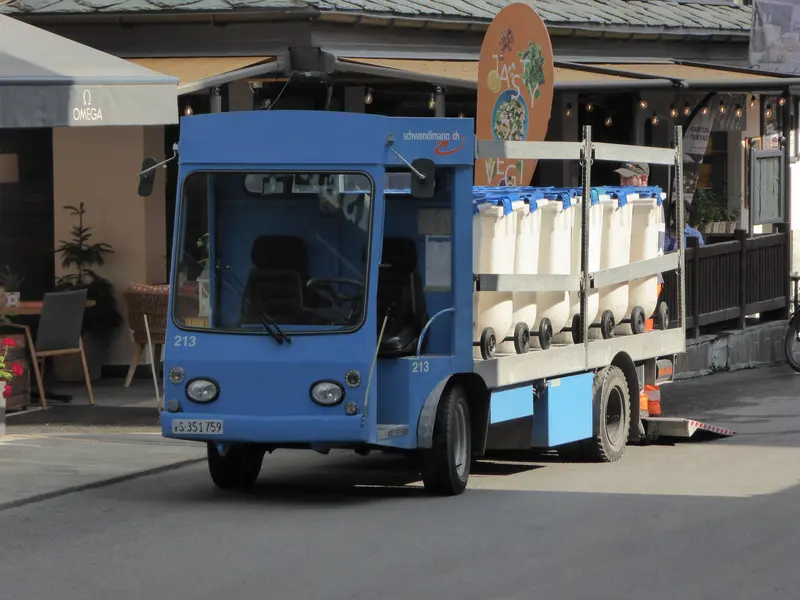 The BahnhofstrasseThe car-free main street that strings together most of the village's bars, lounges and late spots.
Après-ski — the party that starts in daylight
Zermatt's signature drink is the one you reach on skis. The classic après-ski venues sit on the mountain at the bottom of the runs back to the village, so as the afternoon light goes gold and the lifts begin to close, you ski to the door, click out of your bindings, stack your skis in the snow and walk straight onto a terrace already three deep at the bar. The most famous of these is Hennu Stall on the Furi run down to the village — a riotous, music-loud, schnapps-fuelled institution where the party is in full swing while the sun is still up, and where the trick is to remember you still have to ski the last stretch home afterwards. It is loud, it is fun, and it is a rite of passage rather than a quiet drink.
The point of mountain après is the timing and the setting rather than the cocktail list. You are drinking outdoors, in your ski gear, in the snow, with the peaks around you and the run home still to come — so the staples are beer, mulled wine, schnapps and the kind of shared, slightly anarchic energy that comes from a hundred skiers winding down at once. Because the party happens in daylight and on the piste, the hard edge of the afternoon is the last lift and the closing of the run, not the bar's own hours. Have your fun, keep a clear head for the descent, and treat the final ski home as part of the evening rather than an afterthought.
If the full-volume shed is not your scene, the same hillside offers gentler versions. Plenty of the mountain restaurants on the Furi, Riffelberg and Sunnegga sides serve a sunny end-of-day drink on the terrace without the dance-floor chaos — a glass of Valais white or a beer with the Matterhorn in front of you as the slopes empty. This is the civilised cousin of the Hennu Stall night: the same view and the same gold light, with the volume turned down. Either way, the mountain drink is best taken on a clear day and timed so the ski or walk home happens safely in daylight with the lifts still running.
Après-ski in ZermattWhere the slope-side party lives and how to time the ski home from the daylight sheds.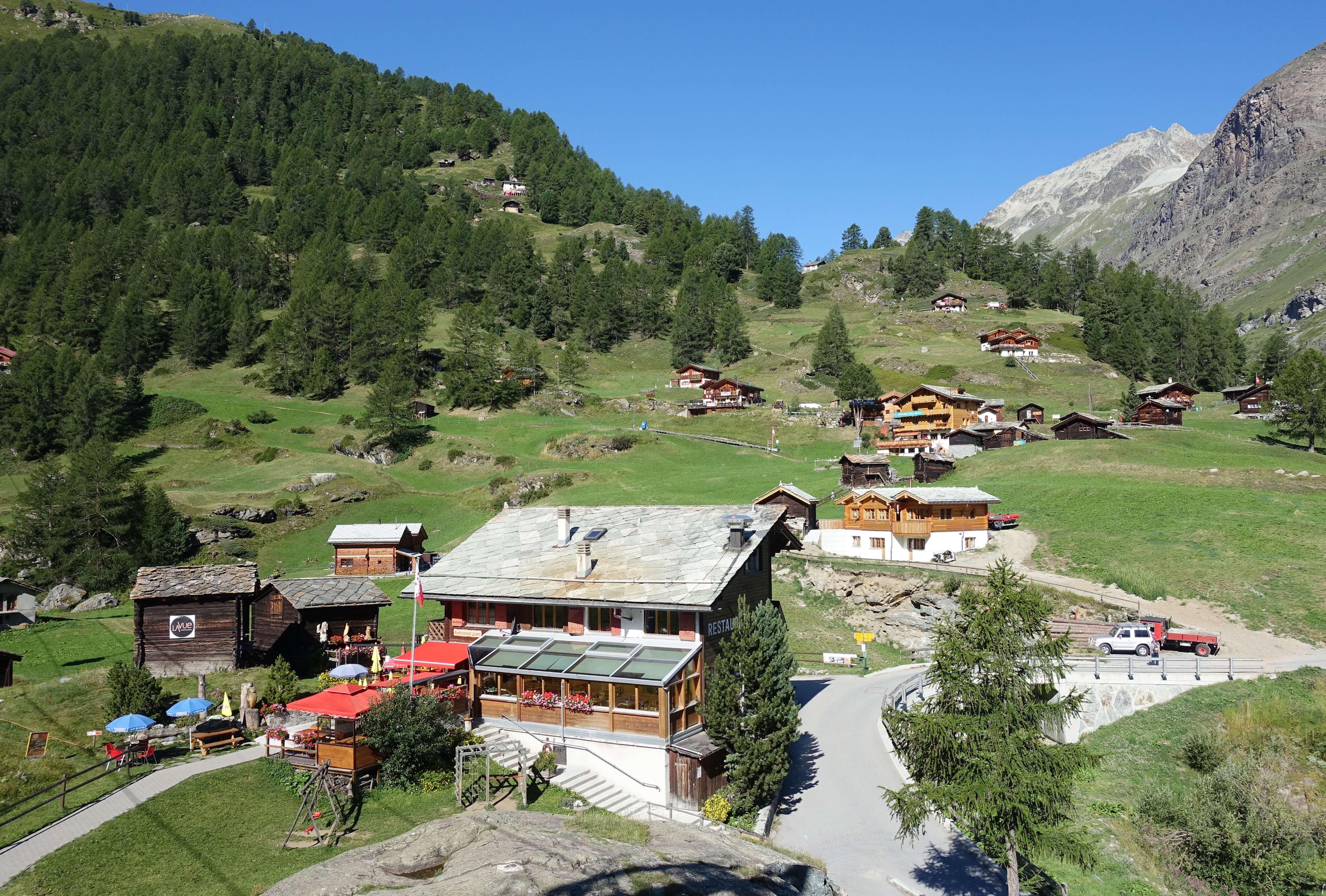 FuriThe mid-mountain hub on the Matterhorn side whose run home passes the most famous après sheds.
 Findeln restaurantsThe sunny terraces where a long lunch slides into a quieter mountain drink before the ski down.
Wine bars, whisky and cocktail rooms in the village
Down on the village floor, the mood softens. After the slopes empty and dinner is done, Zermatt turns to its timber-lined bars — and the village has a long, slightly improbable love affair with both wine and whisky. The Valais is one of Switzerland's great wine regions, so a good Zermatt wine bar will pour local whites like Fendant and Petite Arvine and reds like Cornalin and Humagne alongside the bigger international names, often by the glass and often in a low, candlelit, old-chalet room that feels a world away from the slope-side roar. This is the drink for the middle of the evening — slower, warmer, made for conversation rather than crowds.
Whisky is the village's other obsession. Zermatt has a genuine reputation as a whisky town, and several bars — including hotel bars on and around the Bahnhofstrasse — keep deep, serious lists of single malts that draw enthusiasts up the mountain specifically to drink them. Cocktails are well covered too: the village has its share of proper cocktail rooms and hotel bars mixing classics and mountain-tinged creations, often with a pianist or a fire and a view of the dark peak through the window. The grand hotels in particular run polished, civilised lounges that welcome non-residents for a nightcap — an easy, elegant way to end an evening without committing to a late club.
The pleasure of the village bars is that they are all close together and all walkable in the snow, so you can move from a wine stube to a whisky room to a hotel lounge in the course of an evening without ever touching a car. Because owners and lists change, choose by mood rather than by a fixed name: a candlelit wine room for a romantic dinner-time drink, a malt bar for a slow nightcap, a hotel lounge for something quiet and grand. Your concierge will know which rooms are open and which suit the night, and several of the best bars sit inside the hotels themselves, so it is worth asking where you are staying.
 Date night in ZermattRomantic rooms and views for two, including the candlelit wine and cocktail bars on the village floor.
 Swiss food in ZermattValais wines and the regional grapes that fill the village wine lists, paired with the local cooking.
 Luxury hotels in ZermattThe grand-hotel lounges and bars that welcome non-residents for a polished evening drink.
Late nights, live music and the village after midnight
When the wine bars wind down, Zermatt still has a late gear. In high season the village runs a genuine after-midnight scene — a handful of late bars and small clubs, mostly clustered around the Bahnhofstrasse and the lanes off it, that take the night through with DJs, live bands and dancing. The Pollux and Post Hotel complex has long been a focal point of the late-night village, gathering several bars and music rooms under one roof so you can drift between a band, a club floor and a quieter corner without going back out into the cold. This is the engine room of the Zermatt night, and it runs hardest in the depths of the winter season.
The character of the late scene is mountain-resort eclectic rather than big-city slick: it is more live music, sing-along energy and end-of-the-day exuberance than velvet-rope exclusivity. Expect a mix of seasonal workers, returning regulars and visitors of every age, all funnelled into a small space by the fact that there is nowhere else to go and no car to take you there. That compactness is the charm — the late night happens within a few streets of every hotel, so the walk home is short, snowy and silent once you step out of the noise.
Two practical notes. First, the late-night venues are the most seasonal of all: they run hardest in winter high season, thin out in the shoulders, and several close entirely in the quiet weeks, so do not count on a big night in late spring or November without checking. Second, the village is small and the noise carries, so the after-midnight party is concentrated in a few known spots rather than spread everywhere — which makes it easy to find if you want it and easy to avoid if you do not. As ever, confirm what is open and running before you plan the night around a particular club.
 Zermatt UnpluggedThe spring live-music festival that fills the village bars and stages with acoustic acts.
 Zermatt village guideHow the car-free centre is laid out, so you can map the late bars against your hotel.
 Where to stay in ZermattChoosing a base — central for the nightlife, quieter on the edges if you want to sleep through it.
At a glance
A quick orientation before you plan the evening. Treat all opening seasons, hours and which venues are running as evergreen — they move with the season and change year to year — and confirm them locally or with the tourist office on the day.
- The shape of the night: slope-side après as the lifts close, a quieter wine or cocktail hour around dinner, then a late village scene that runs past midnight in high season.
- Après on the mountain: the famous sheds, including Hennu Stall on the Furi run, where you ski to the door and the party starts in daylight — keep a clear head for the run home.
- Wine and whisky in the village: candlelit Valais wine stuben, serious single-malt lists and polished hotel lounges, all walkable in the snow on and around the Bahnhofstrasse.
- Late nights: late bars and small clubs with live music and DJs, with the Post Hotel complex a long-running focal point — most seasonal, hardest-running in winter.
- Cost: alpine-resort prices, highest on the slope-side terraces — budget a big night as part of the holiday.
- The non-negotiable: there are no cars to drive home, but the mountain still sets the schedule for après — know the last lift and run-closing times before a long slope-side session.
Après-Ski in Zermatt
Where the ski day softens into the evening — the high mountain bars caught in the last sun, the famous slopeside stops on the ski home, the village lounges and hotel terraces, and where to stay for the après energy.
Read guideDate night in Zermatt
How to build a romantic evening in Zermatt — a candlelit fondue or fine-dining dinner, a fireside cocktail, a quiet spa hour and a stargazing walk through the dark, silent, car-free streets.
Read guideZermatt Unplugged Guide
Plan Zermatt Unplugged, the village's acoustic, singer-songwriter music festival — ski by day, listen by night. Where the stages are, how tickets work, where to stay, and what the spring shoulder season means for your trip.
Read guideMore in Best Restaurants
6
Best Cafés & Bakeries in Zermatt
Where to find good coffee, fresh pastries, dark Valais bread and Swiss chocolate in car-free Zermatt — the early-lift breakfast stops, the village bakeries on the Bahnhofstrasse, and the warm café breaks that rescue a cold or rainy day.
Read guide
Budget Eats in Zermatt
How to eat well without overspending in famously expensive, car-free Zermatt — the bakeries and takeaway windows, the village supermarkets, the picnic-on-the-trail trick, and when self-catering quietly saves the most.
Read guide
Chez Vrony Guide
Chez Vrony is the famous design-chalet restaurant on the Findeln slope above Zermatt — how to reach it, how to land a table, what to order, and how to pair the lunch with a ski day or a summer walk beneath the Matterhorn.
Read guide
Family-Friendly Restaurants in Zermatt
Easy, relaxed meals with children in car-free Zermatt — pizza and pasta near the station, the sunny family terraces at Sunnegga, mountain stops by the ski school, and the hotel dining rooms that make dinner with kids painless.
Read guideFindeln Restaurants Guide
Findeln is the hamlet of timber chalets above Zermatt where the long mountain lunch lives — how to reach it on skis or on foot, when each terrace opens, how to book, and what to expect of the Matterhorn view.
Read guide
Fine Dining in Zermatt
The serious end of Zermatt's table — the hotel gourmet restaurants, the tasting menus and the celebrated wine cellars — what to expect, how the village's high-end scene is shaped, and when a gourmet night fits a Zermatt trip.
Read guide