
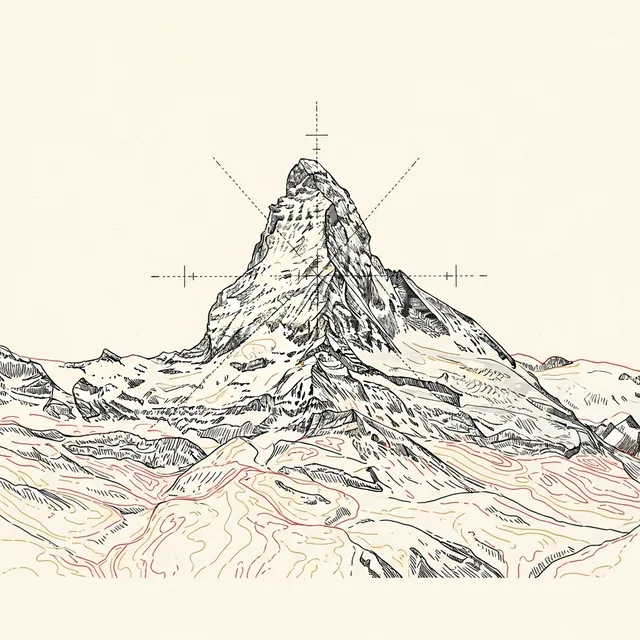
Zermatt Itineraries
Ready-made plans for Zermatt, from a focused ski weekend to an unhurried summer week beneath the Horu — built around the weather and the lifts rather than a fixed schedule, with a backup for every closed-lift day.

Photo: Andras Toth / Unsplash
- ✓Every Zermatt day starts with a lift: the village sits at 1,608 m and the views, the skiing and most of the walking live higher up.
- ✓Plans here flex with the mountain — read the lift status each morning and keep a low-sector or valley backup for a closed-lift day.
- ✓A focused weekend works; so does an unhurried week — Zermatt rewards both the short, sharp trip and the slow stay.
- ✓The Cervinia crossing and the Matterhorn Alpine Crossing add an Italian day, but both depend on the highest lifts staying open.
- ✓Mixed parties are well served: skiers and walkers, viewpoint-hunters and non-skiers can share the same base and split by day.
How to plan a Zermatt trip
The most useful thing to know about Zermatt is that you do not plan a fixed itinerary here — you plan a frame and let the mountain fill it in. The village sits at 1,608 m, car-free, in a steep valley, and almost everything worth coming for lives higher: the skiing, the great viewpoints, the high trails and lakes. So every day starts with a lift, and which lift, and whether it is running at all, depends on the weather. A clear, still morning opens the high country; a windy or stormy one closes the top sectors and the cross-border links while the lower slopes carry on. Build your trip as a list of things you would like to do, ranked by how high and exposed they are, and slot them in each morning according to what is open.
That is why the itineraries below are written as flexible templates rather than hour-by-hour scripts. Each one has a shape — a focused weekend, a longer week, a summer long-weekend — and each one carries a backup for the day the high lifts close. The single habit that makes all of them work is to read the live lift status over breakfast, every day, and to choose your sector around it. Get the base right, pick the season honestly, and then let the weather decide the order. The plans here lean on the sibling hubs for the detail; treat them as the connective tissue between the skiing, the hiking, the viewpoints and the food.
 Ski & LiftsThe sectors, passes and live lift status that decide what is open on any given morning.Getting HereArriving car-free via Täsch or by rail, so the first and last days of any plan run smoothly.Where to StayChoosing the base — near a lift, near the station — that every itinerary here is built around.
A winter ski weekend (2–3 days)
A short ski trip to Zermatt works, provided you accept that you will not ski everything and you plan the sectors around the weather. Arrive the evening before so the first morning is a ski morning, not a travel one. Day one, read the lift status over breakfast and aim high while you are fresh: if the Matterhorn side and Glacier Paradise are open, take the long descents on the south-west flank; if the wind is up and the top is shut, spend the day on Gornergrat's scenic intermediates or the sunny Sunnegga–Rothorn runs, which often ski well when the heights do not. Day two, do the sector you missed, and keep an Italian morning in reserve only if the highest lifts and the Cervinia crossing are confirmed open. A two-day trip is a taste; three days lets you ski each of the three sectors once without rushing.
The backup for a closed-lift weekend is to ski low and well rather than chase the top. The lower and middle pistes are extensive, the mountain restaurants are part of the point, and a long lunch on a terrace is no failure of a plan. Keep the cross-border day flexible — never the last day, in case the crossing shuts and you face a road transfer back — and book your pass type deliberately: Zermatt-only is enough for a weekend that stays Swiss-side. The whole thing hangs on the morning status check.
- Arrive the night before so the first morning skis; leave the high sectors for your freshest hours.
- Day one: ski high if the top is open, otherwise Gornergrat or Sunnegga, which often ski when the heights don't.
- Day two (and three): cover the sectors you missed; add an Italian morning only if the crossing is confirmed open.
- Backup for a closed top: ski the lower and middle pistes and enjoy the mountain restaurants — no failed day.
- Keep any Cervinia day flexible and never last, and a Zermatt-only pass is usually enough for a weekend.

A longer ski week
A week is the length Zermatt was made for, because it lets the weather sort itself out: across six or seven ski days you will get a mix of clear high mornings and windier low ones, and a flexible plan harvests the best of each. Spend the early days finding your feet — a lesson or a gentle morning on Sunnegga–Rothorn if anyone in the party is easing in — then chase the high terrain on the clearest days, saving the long descents on the Matterhorn side and the glacier for when the top is open and the light is good. Pencil in the Cervinia crossing for a settled mid-week day, with the explicit rule that you turn back if the forecast wavers; over a week you can afford to wait for the right day rather than force it.
The luxury of a week is the rest day, and it is not wasted time but part of skiing well. Take a half-day off the snow when your legs ask for it: ride a railway to a viewpoint without skis, do a winter walking trail, take a long lunch, sit in a spa. Build the week so the rest day falls naturally on a poor-weather day, and you lose nothing to the storm. A week also justifies the international pass and a base close to a lift, so the daily routine of getting up the mountain in a car-free village stays effortless.
- Use the week's spread of weather: ease in low, chase the high terrain and glacier on the clearest days.
- Pencil Cervinia for a settled mid-week day, with a firm rule to turn back if the forecast wavers.
- Plan a rest or half-day and let it fall on the poor-weather day — a railway viewpoint, a walk, a spa, a long lunch.
- A week justifies the international pass and a base close to a lift in the car-free village.
- Read the status every morning and re-order the days around it rather than holding to a fixed plan.
Ski & LiftsSectors, passes and lift status for building a flexible six- or seven-day ski week. Matterhorn ViewpointsThe railways and cable cars for a no-skis rest day that still earns the great views.
 Food & DrinkThe mountain terraces and village stuben that frame a long ski week with good lunches and evenings.
A summer hiking long-weekend
In summer the planning logic is the same — start with a lift, read the weather — but the rhythm is gentler. A long weekend of walking suits Zermatt well because the marquee outings are short rides apart, all gathered beneath the same peak. Arrive in time for an evening in the village, then give your first full day to the classic introduction: ride up to the Sunnegga–Rothorn side and walk the Five Lakes (Five Lakes Walk), where Stellisee holds the Matterhorn's reflection on a still morning, with the gentlest of the lake trails making an easy, scenic start. Day two, go higher or wider as the weather allows — a Gornergrat outing for the glacier panorama, or a stretch of a longer balcony path — and keep the third, shorter day for a viewpoint and a slow lunch before you leave.
The backup for a closed-lift or low-cloud day in summer is the valley itself: the riverside and forest paths around Zermatt and toward Furi stay walkable when the tops are in cloud, and they are quietly lovely in their own right. Mountain weather in summer often clears by late morning, so a slow start can rescue a grey dawn — another reason to read the forecast rather than commit the night before. A long weekend is enough to feel the place; it is not enough to exhaust it.
- Day one: the Five Lakes Walk on the Sunnegga–Rothorn side, with Stellisee's reflection as the highlight.
- Day two: go higher with the weather — Gornergrat's panorama or a stretch of a longer balcony trail.
- Day three: a viewpoint and a slow lunch before you leave; keep it short and unhurried.
- Backup for cloud or a closed lift: the valley and forest paths toward Furi stay walkable and lovely.
- Summer mornings often clear late — a slow start can rescue a grey dawn, so read the forecast, not the clock.

A summer week — hikes, viewpoints and lakes
A summer week lets you build outward from the gentle introductions into the bigger walking the valley is famous for, and it gives the weather room to grant a few perfect high days. Open with the easy classics — the Five Lakes and a Gornergrat viewpoint — to find your legs and the lie of the land, then graduate to the longer balcony trails as the days settle: stretches of the high paths that traverse beneath the 4,000 m peaks, with the Matterhorn turning slowly beside you. Mix the efforts deliberately so the week breathes: a big walk, then a viewpoint-and-lunch day, then a lake morning, then a valley wander. Keep the most committing, highest outing for the clearest, most settled day of the week, and do not be precious about re-ordering when the forecast shifts.
Across a week you can also fold in the things that are not strictly hiking but make the place: a slow morning at a glacier viewpoint, an evening that is just the village and a long dinner, a cable-car ride to a terrace you walk down from rather than up to. The valley backup matters even more over seven days, because at least one will be grey — that is the day for the forest and riverside paths, a museum hour, or a rest. Plan the week as a spread of efforts and a single non-negotiable habit: read the lift and weather status each morning, and let the mountain set the order.
- Open easy — Five Lakes and Gornergrat — then graduate to the longer balcony trails as the weather settles.
- Vary the days: a big walk, a viewpoint-and-lunch day, a lake morning, a gentle valley wander.
- Save the highest, most committing walk for the clearest, most settled day of the week.
- Expect one grey day in seven — keep the valley and forest paths, or a rest, in reserve for it.
- Fold in the non-walking pleasures: a glacier viewpoint, a long village dinner, a terrace you walk down from.
A non-skier or mixed-party plan
Zermatt is generous to a party that does not all want the same thing, and the trick is to share a base and split by day. A mixed winter group can put the skiers on the pistes while the non-skiers ride a railway to a viewpoint, walk a groomed winter trail, take a sledging run, or settle into a spa and a long terrace lunch — and everyone reconvenes for the evening. The Gornergrat railway and the Glacier Paradise cable car run all winter, so the great views are open to skiers and walkers alike; a non-skier need never feel stranded in the valley. Plan the days so the group's shared outings — a viewpoint everyone wants, a particular lunch — fall on the clearest days, and let the solo pursuits fill the rest.
For a non-skier-led trip in any season, the plan is simply the mountain by lift rather than by ski: railways and cable cars to the high terraces, gentle walks at altitude, the village's car-free quiet, and the food. The same flexibility applies — the high viewpoints answer to the weather, so keep a lower or valley option for a clouded day. A mixed party's happiest itinerary is not a compromise but a deliberate split: the same base, the same evenings, different days, all read off the same morning status board.
- Share a base and split by day: skiers on the pistes, others to viewpoints, winter walks, sledging or a spa.
- The Gornergrat railway and Glacier Paradise cable car run all winter — the views are open to non-skiers too.
- Put the group's shared outings on the clearest days; let solo pursuits fill the rest.
- Non-skier-led trips work in any season: the mountain by lift, gentle high walks, the car-free village and the food.
- Keep a lower or valley option for a clouded day, since the high viewpoints answer to the weather.

Day trips and the cross-border add-on
Most Zermatt itineraries are about staying high in the valley, but two add-ons are worth folding in when the weather grants them. The first is the cross-border day into Italy: in winter, skiing the Cervinia crossing from the top of the Matterhorn side for an Italian lunch and a ski home; in any season, the Matterhorn Alpine Crossing, the cable-car link over the glacier to Cervinia that lets non-skiers and summer visitors cross between Switzerland and Italy entirely by lift. Both are genuinely special and both come with the same caveat: they rely on the highest, most wind-exposed lifts staying open, and if the top shuts while you are over the ridge, getting back can mean a long road transfer rather than a quick return. Confirm the crossing is running before you commit, never make it your last day, and keep an eye on the weather while you are there.
The second kind of add-on is the wider day trip from the valley — the excursions and side-trips that make sense on a rest day or a marginal-weather day, when the high country is closed but you still want to be out. These are best treated as the flexible, weather-dependent part of any plan: hold them loosely, slot them into the day the lifts let you down, and you turn a poor day into a good one rather than a lost one.
- Winter cross-border: ski the Cervinia crossing for an Italian lunch — only when the highest lifts are open.
- Any season: the Matterhorn Alpine Crossing links Switzerland and Italy by cable car, no skis needed.
- Both depend on wind-exposed top lifts — confirm they are running, never go on your last day.
- Wider day trips suit a rest or marginal-weather day; hold them loosely and slot them in when the high lifts close.
 Matterhorn Alpine CrossingThe all-season cable-car crossing to Italy for non-skiers and summer visitors.Day trips & add-ons from ZermattThe wider excursions to hold in reserve for a rest day or a marginal-weather day.
How the season shapes the plan
Before you fix any of these templates, decide honestly which Zermatt you are coming for, because the season changes everything. The valley winter season runs roughly from late November to the end of April, with the glacier open year-round above it; the snow-sure core is January into March, while late season brings warmer, longer days and spring skiing under a strong sun. Summer walking is best from roughly late June through September, once the high trails clear of snow and the lakes thaw, with the shoulder weeks quieter but more weather-dependent. The two seasons ask for different bases, different passes and different daily rhythms — there is little point planning a Five Lakes morning in February or a glacier ski day in August's afternoon heat.
Within a season, the peaks and lulls matter too. The Christmas–New Year fortnight and the February half-term weeks bring the highest prices and the busiest lifts; high summer fills the popular trails; the shoulder weeks in early December, late March, June and September are quieter and often better value, at the cost of less settled weather. Whatever you choose, the one constant across all seasons is the morning habit: the high lifts and the cross-border links answer to the wind, so read the live status each day and keep a backup for the day they close. Pick the season for the experience you want, then let these itineraries flex around the weather you actually get.
- Winter: roughly late November to April, with the glacier year-round; January–March is the snow-sure core.
- Summer walking: roughly late June to September, once the high trails clear and the lakes thaw.
- Peak weeks (Christmas–New Year, February half-term, high summer) are busiest and dearest; shoulder weeks are quieter.
- Different seasons want different bases, passes and daily rhythms — choose for the experience you want.
- Constant across all seasons: read the live lift status each morning and keep a closed-lift backup.
At a glance
The planning essentials behind every itinerary here. The frame — start with a lift, read the weather, keep a backup — is evergreen; the lift status, season dates, pass options and the cross-border crossings all change, so confirm them on the official channels before and during your trip.
- Every day starts with a lift: the village is at 1,608 m and the skiing, views and high trails all live above it.
- Plan a frame, not a script — rank your wishes by altitude and slot them in by what is open each morning.
- Ski weekend: arrive the night before, ski high while fresh, keep Cervinia in reserve and never last.
- Ski week: use the spread of weather, chase the heights on clear days, let the rest day fall on a poor one.
- Summer long-weekend: Five Lakes, a Gornergrat viewpoint, a slow third day; valley paths as the cloud backup.
- Summer week: open easy, graduate to the high balcony trails, save the biggest walk for the clearest day.
- Mixed parties: share a base, split by day, reconvene each evening — the views are open to non-skiers too.
- Cross-border add-ons (Cervinia ski day, Alpine Crossing) depend on the highest lifts — confirm before you commit.
- Single constant: read the live lift and weather status every morning and keep a closed-lift backup ready.